

The Mercedes 240GD: Everything You Need To Know
Photo Credit: DMARGE
What is the 240GD?
Within the first-generation G-Wagen family (W460 G-Wagen), the 240GD served as the diesel workhorse. Power came from the OM616, a 2.4-liter inline-four rated around 72 hp and 100 lb-ft, paired from the factory to a 4-speed manual and a dual-range transfer case. The default layout was rear-drive with engageable front drive from the cab, riding on rigid axles with coils. MB data lists a top speed of 60 mph, approach and departure angles that varied by body style, a fording depth of 600 mm, and gradeability up to 80%. None of it was designed to impress on paper; it was engineered to work predictably in difficult conditions and to be serviced easily in the field.
Body styles covered short-wheelbase and long-wheelbase variants with open-top, hard-top, and van configurations—what many would call a two-door G-Wagen in SWB form. Steering used a recirculating ball setup; front disc brakes and rear drums were common across the run. The result was a straightforward package: clear sightlines, simple controls, and driveline hardware that favored traction and longevity over speed. Decades later, those traits explain why 240GDs continue to see duty in remote fleets.
240GD Military Use and Global Adoption
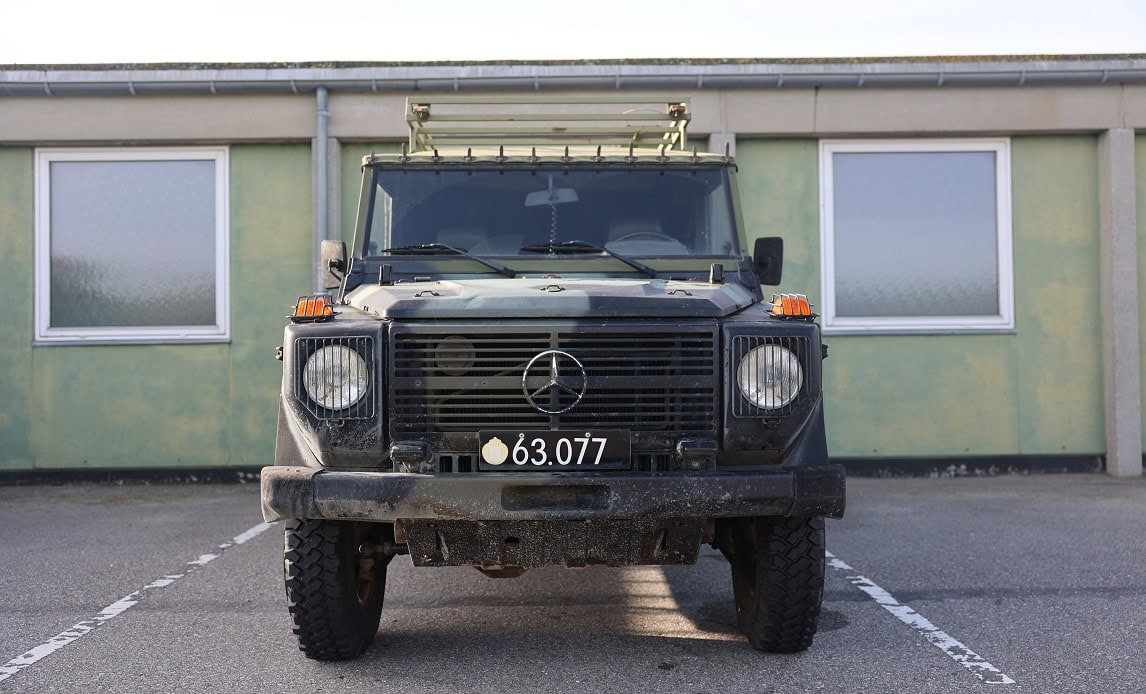
Armed forces procured the 240GD as a light utility vehicle for liaison, command, communications, convoy escort, reconnaissance, and general transport. Denmark introduced this model in the mid-1980s and ultimately fielded more than 1,300 examples, replacing aging Jeep and Land Rover fleets. Norway adopted it widely as well, with deliveries beginning in 1983 and more than 3,000 vehicles in service by the middle of that decade. These numbers place the 240GD not as a niche procurement but as a core light vehicle for multiple European militaries.
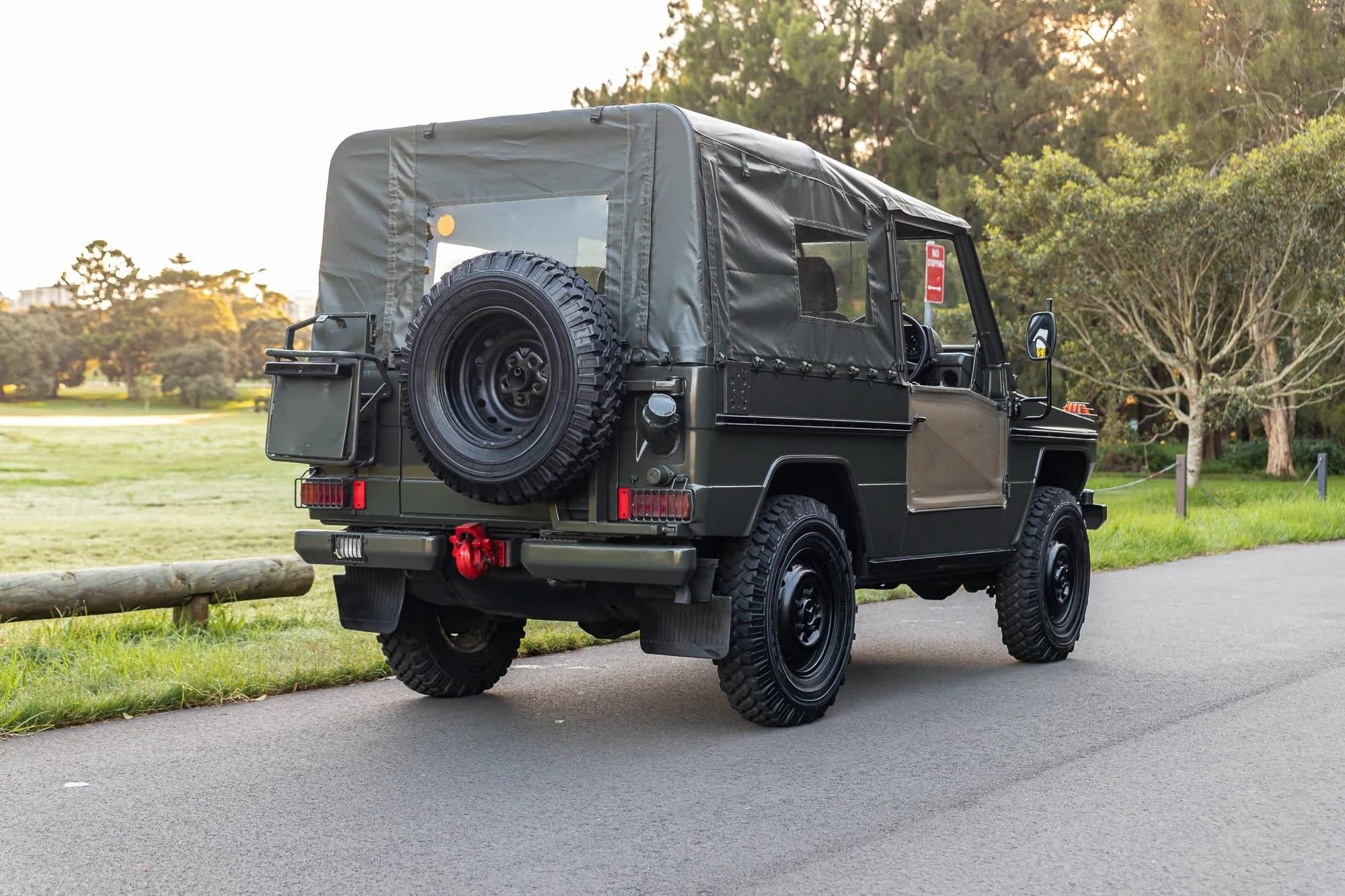
Photo Credit: Collecting Cars
Singapore also operated the 240GD in significant numbers. A portion of the Singapore Armed Forces fleet was designed for air transport and airdrop, with many receiving hardware that supported that role: fold-down windshields, soft tops, fabric half-doors to reduce weight, and integrated tie-down points sized for aircraft loading. The broader takeaway is simple: the 240GD’s underlying architecture lent itself to mission-specific builds without sacrificing reliability.
Production Context and Configurations
Civilian W460 production totaled tens of thousands of units across engines and body styles by the end of the series, with military procurement layered on top by country. That scale led to a wide mix of configurations in service—SWB and LWB station wagens, cabriolets, panel vans, and cab-chassis variants built for communications gear, stretcher mounts, or cargo. The 240GD’s running gear stayed consistent: box-section ladder frame, coil-sprung solid axles located by Panhard rods, and a naturally aspirated diesel tuned for off-road reliability.
The "Scout"
Photos Credit: FMI COM
Across different militaries and units, G-Wagen variants picked up their own informal names based on role and specification. The 240GD is often called the “Scout,” reflecting its frequent use in reconnaissance and liaison duty. Another example is seen through the 240GD's successor, the 250GD, which got the name the "Wolf" from the German Bundeswehr. Its evolution kept the core layout but added details such as full frameless doors, a structural rear roll bar, and the OM602/ OM602a five-cylinder Gelandewagen diesel.
Why the 240GD Matters Today
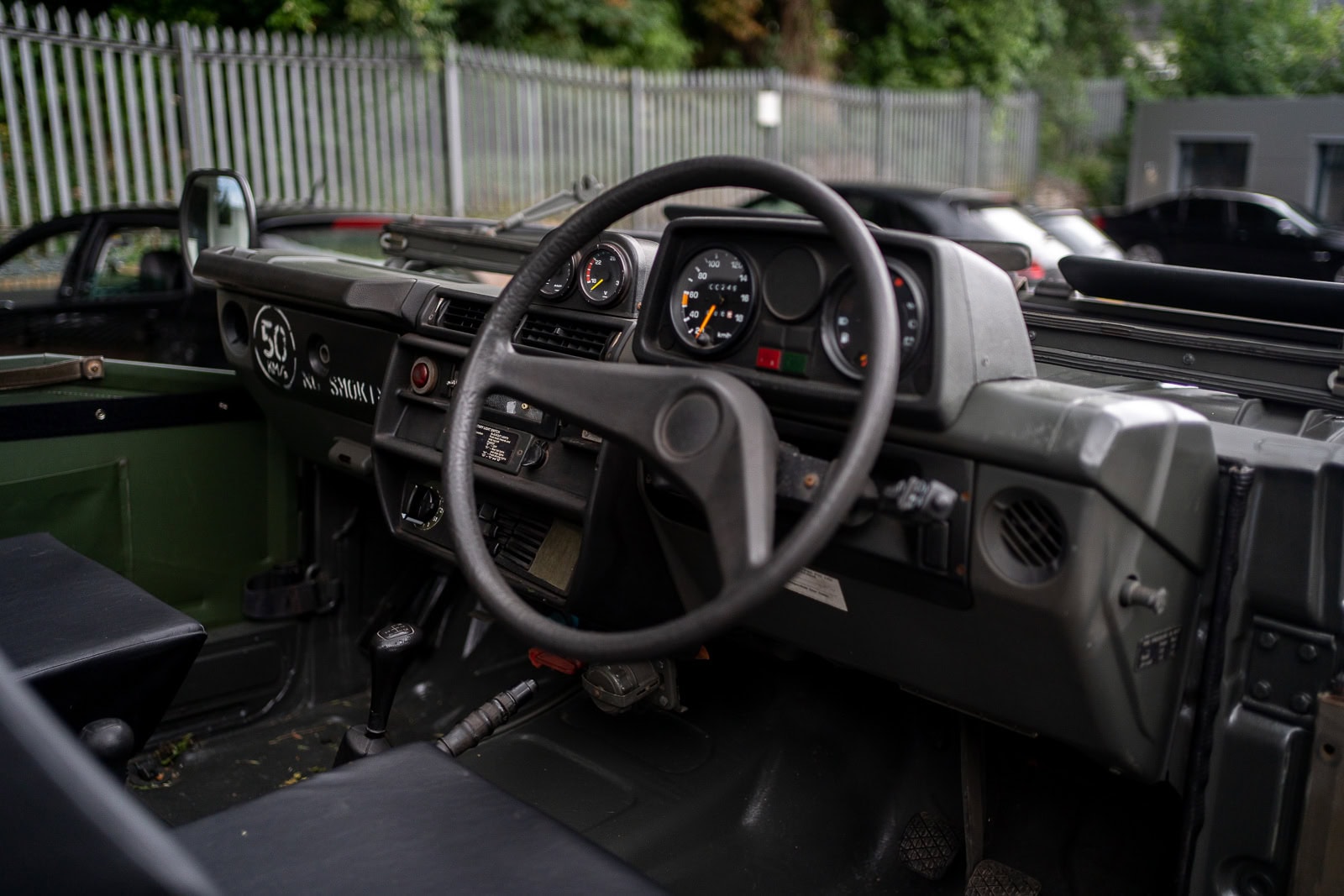
Photo Credit: Collecting Cars
From an engineering standpoint, the 240GD captures the classic G-Wagen blueprint—simple, durable, and precise about what it set out to do. Its reputation came from consistent performance in harsh conditions and the ability to keep working with routine maintenance. Many countries used this military G-Wagen as a reconnaissance “Scout,” and that role fits the chassis well: moderate weight, clear outward visibility, and gearing that prioritizes control. For custom G-Wagen builders and enthusiasts, it remains an important reference point, both for understanding what defined the first generation and for gauging later W461 G-Wagen developments.
To learn more about the Mercedes-Benz Geländewagen, head over to The History of the G-Wagen page.
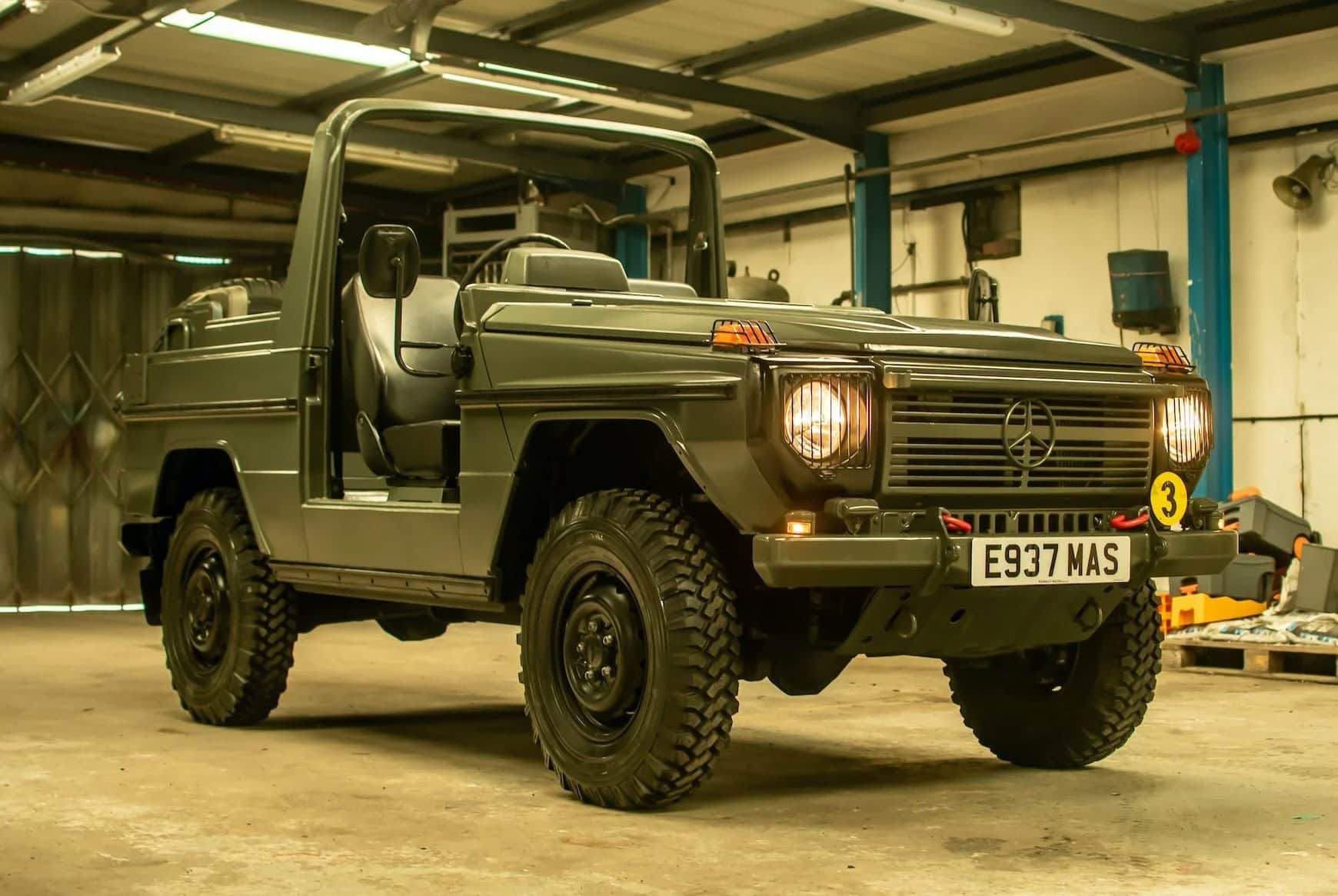
Photo Credit: Men's Gear