
The Mercedes G Class Gelandewagen: Model-by-Model Reference
The G Class Gelandewagen (G Wagon) began service in 1979 as a body-on-frame, locking-diff 4×4 designed for military and utility use. Over time, it expanded into civilian, luxury, and high-performance variants while retaining the core ladder-frame architecture and off-road hardware. Below is a model-by-model overview (oldest to newest). Each entry includes production window, chassis generation, purpose/significance, typical engines with output/aspiration, and primary markets.
G Class Models
230G/ 230GE
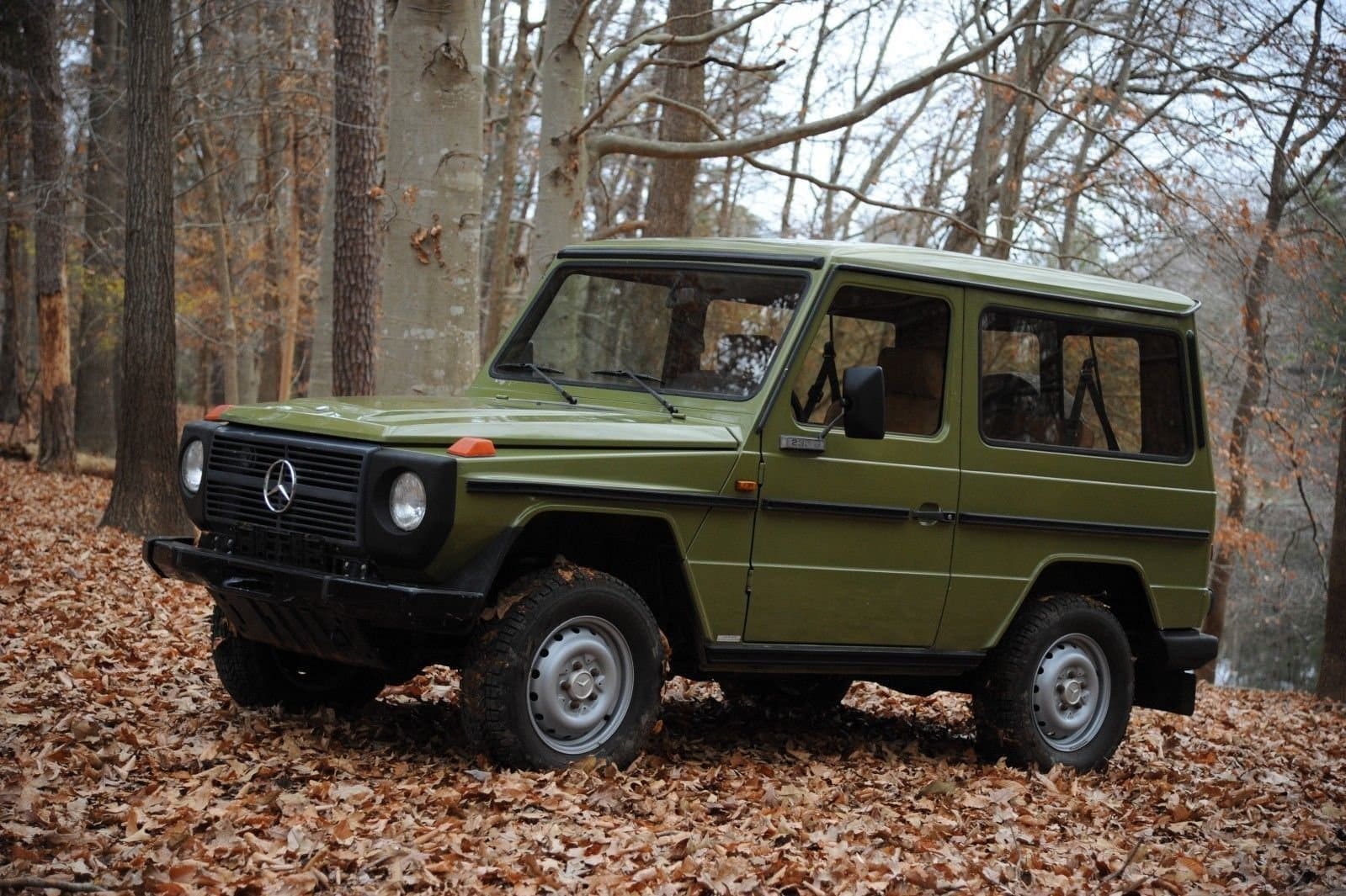 Photo Credit: Vintage Car Collector
Production years: 1979–1991 (W460 civilian); early 1990s G Wagons (W461/Puch 230GE military/civil)
Generation: W460 → W461
What it is: Early petrol gelandewagen which came in civilian and G Wagon military SWB/LWB/ Cabrio configurations. The military 230GE was Puch-badged, widely used by the Swiss military.
Engines: 2.3L inline-4 petrol ~109–125 hp, naturally aspirated.
Markets: Europe, Middle East, parts of Asia; Puch 230GE in Switzerland.
240GD
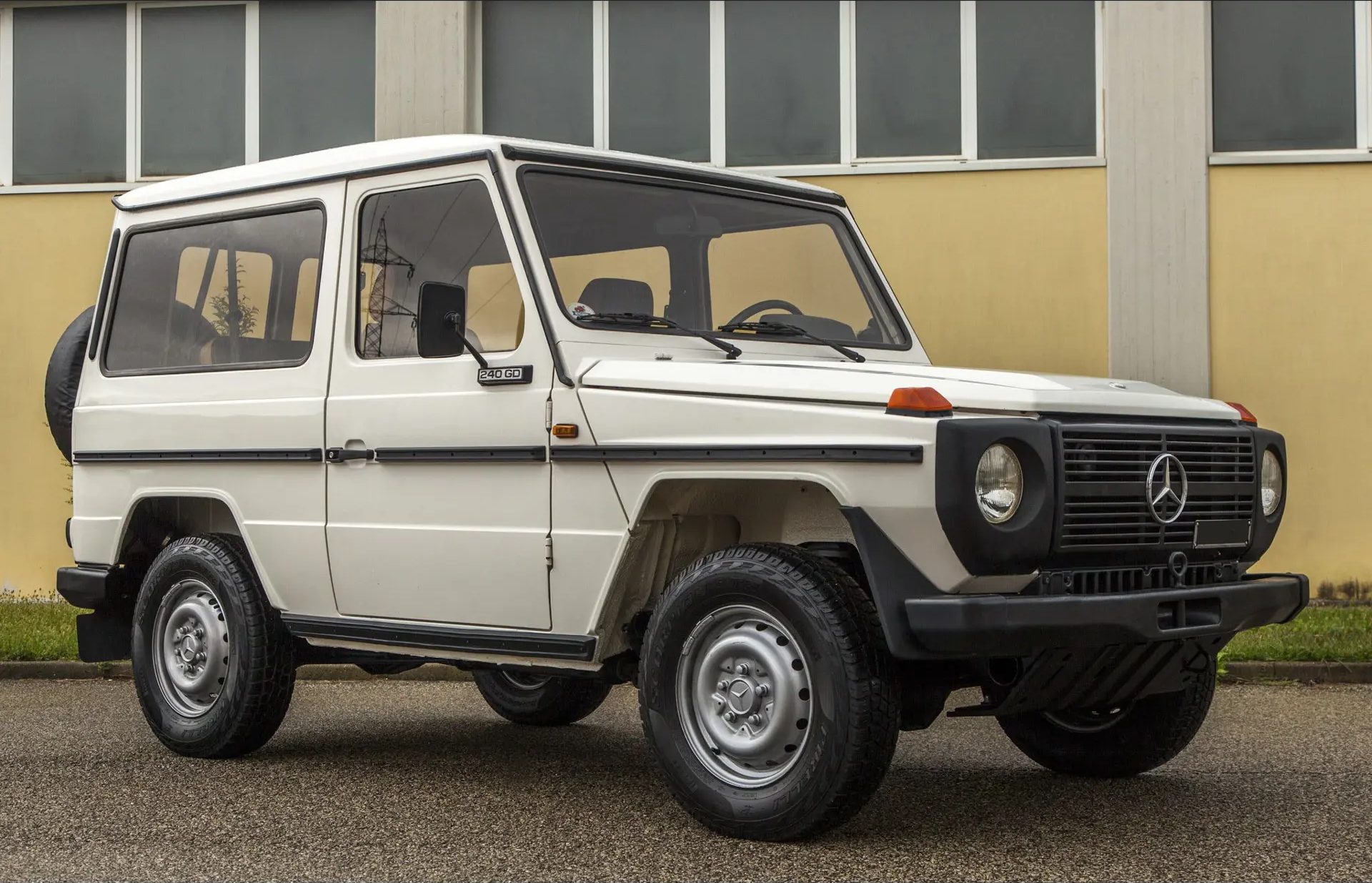 Photo Credit: classic.com
Production years: 1979–1987
Generation: W460
What it is: Early diesel old G Wagon workhorse favored by utility and public-service fleets.
Engines: 2.4L OM616 diesel ~72 hp, naturally aspirated.
Markets: Europe, Middle East; gray-market units elsewhere.
280GE
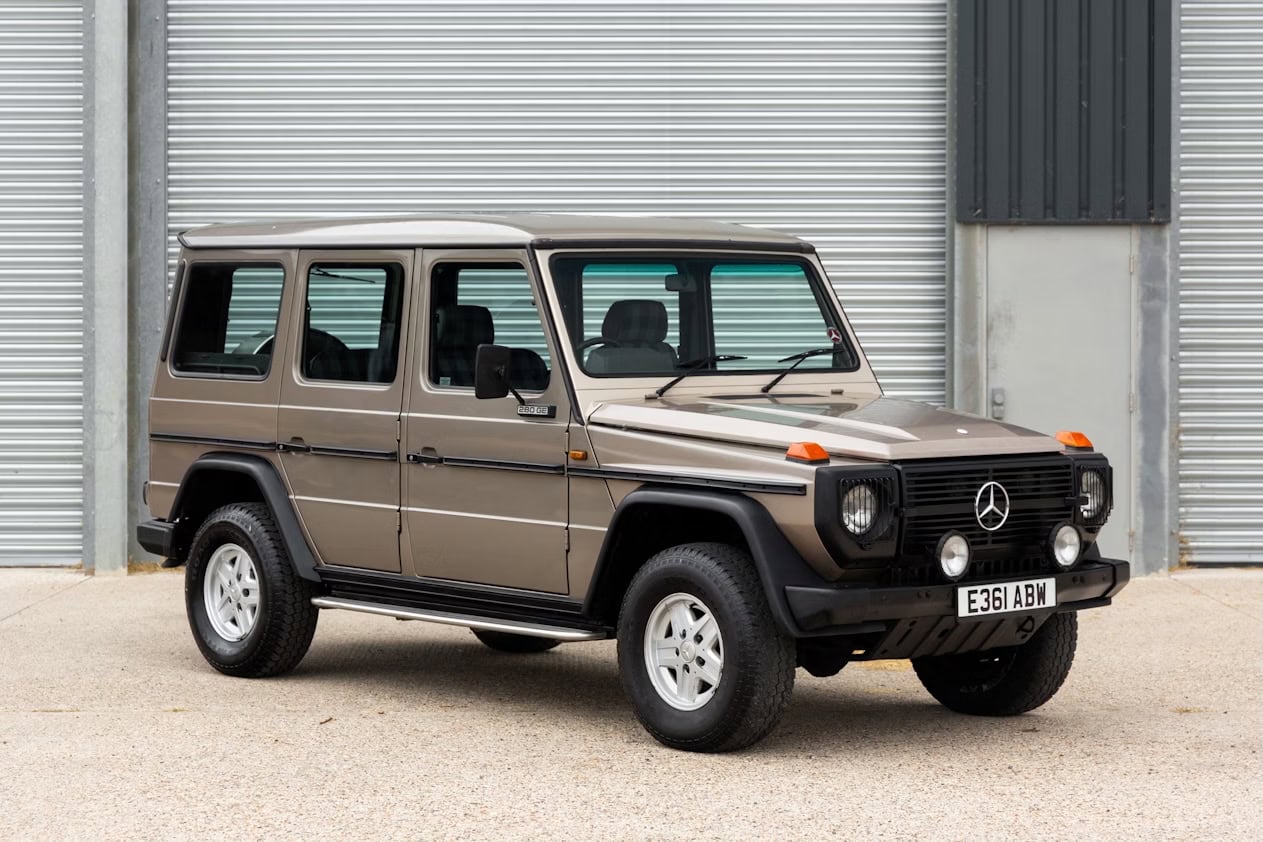 Photo Credit: Pinterest
Production years: 1979–1991
Generation: W460
What it is: Higher-output petrol option in the first wave of civilian G-Wagens.
Engines: 2.8L inline-6 petrol ~156 hp, naturally aspirated.
Markets: Europe, Middle East, Australia.
300GD
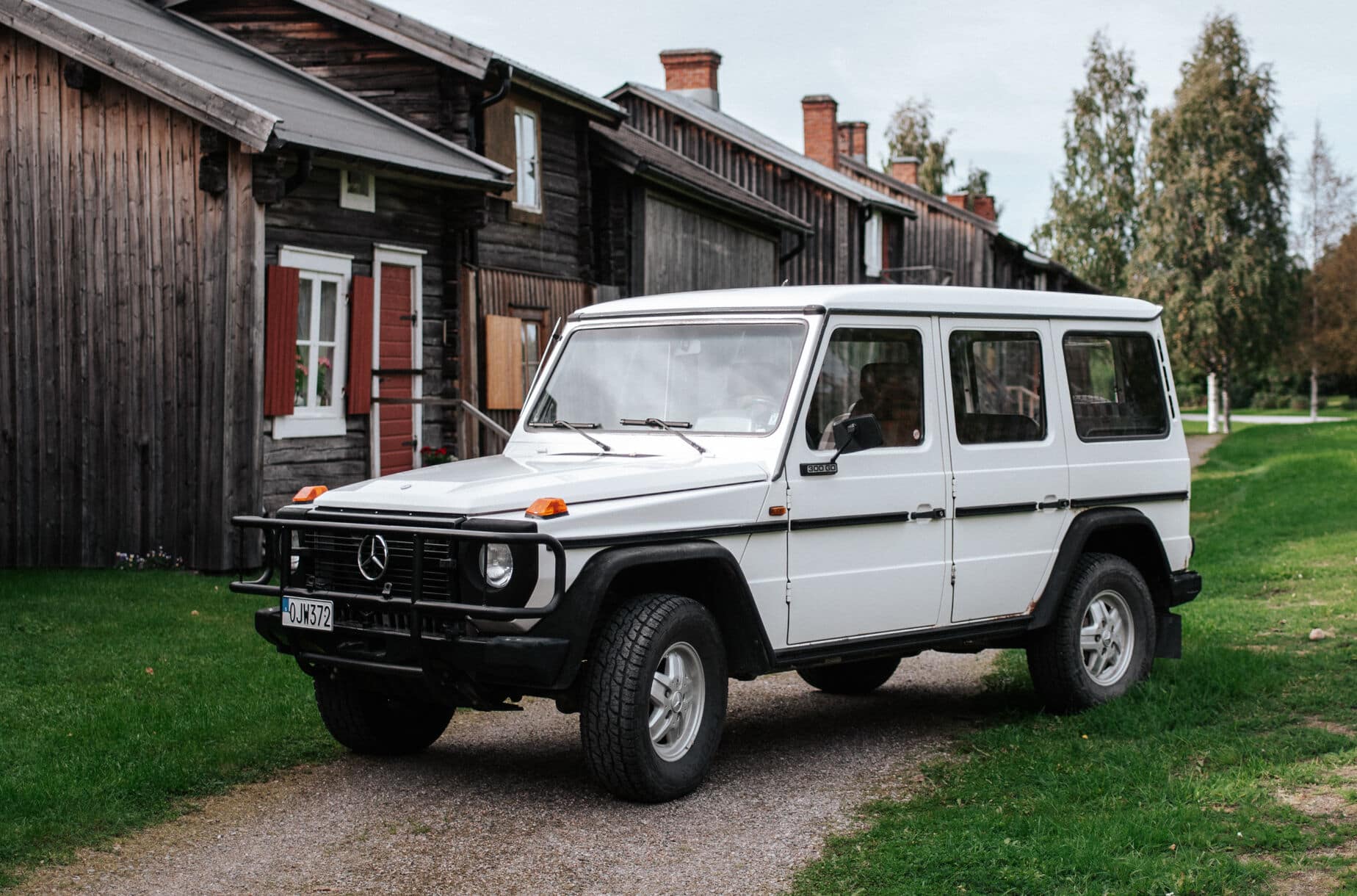 Photo Credit: Bidders Highway
Production years: 1980–1991
Generation: W460
What it is: Diesel inline-5 variant known for longevity in fleet and expedition use.
Engines: 3.0L OM617 diesel ~88–94 hp, naturally aspirated.
Markets: Europe, Middle East, Africa.
250GD “Wolf”
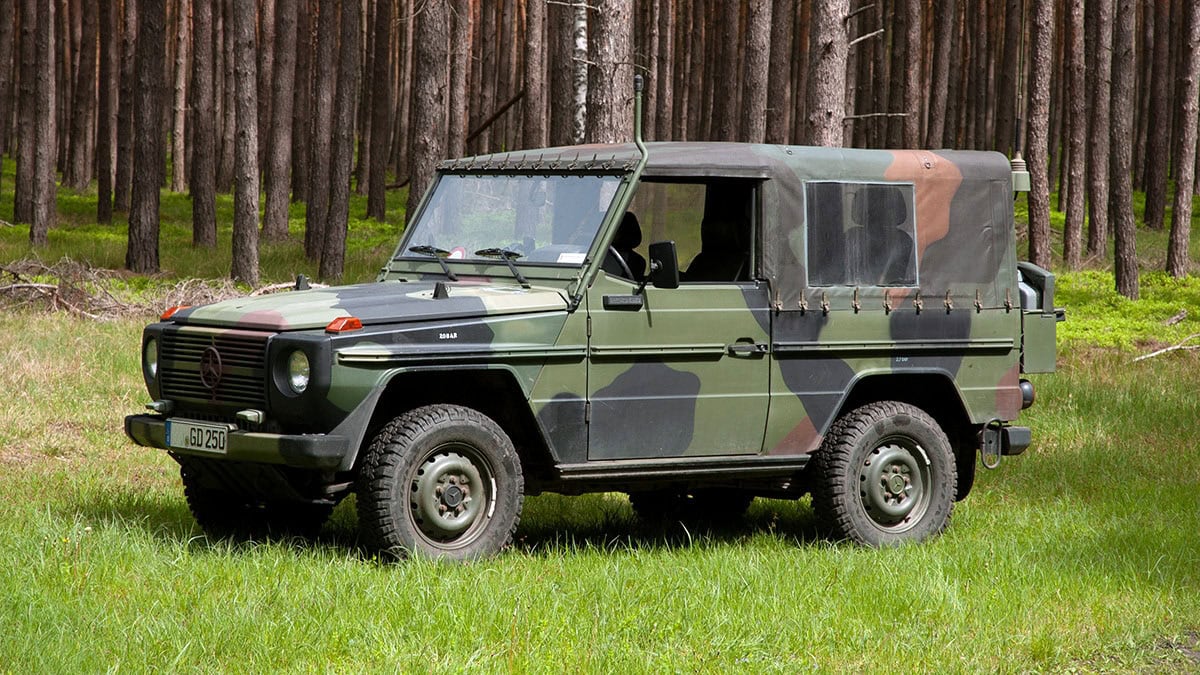 Photo Credit: Bring a Trailer
Production years: late 1990–1993
Generation: W461 (military)
What it is: Military-spec 250GD used by Nato militaries across the globe. Extremely capable off-road, field-serviceable, spartan interior.
Engines: 2.5L OM602 diesel ~93 hp, naturally aspirated; manual transmission.
Markets: Nato militaries.
290GD/ 290GDT
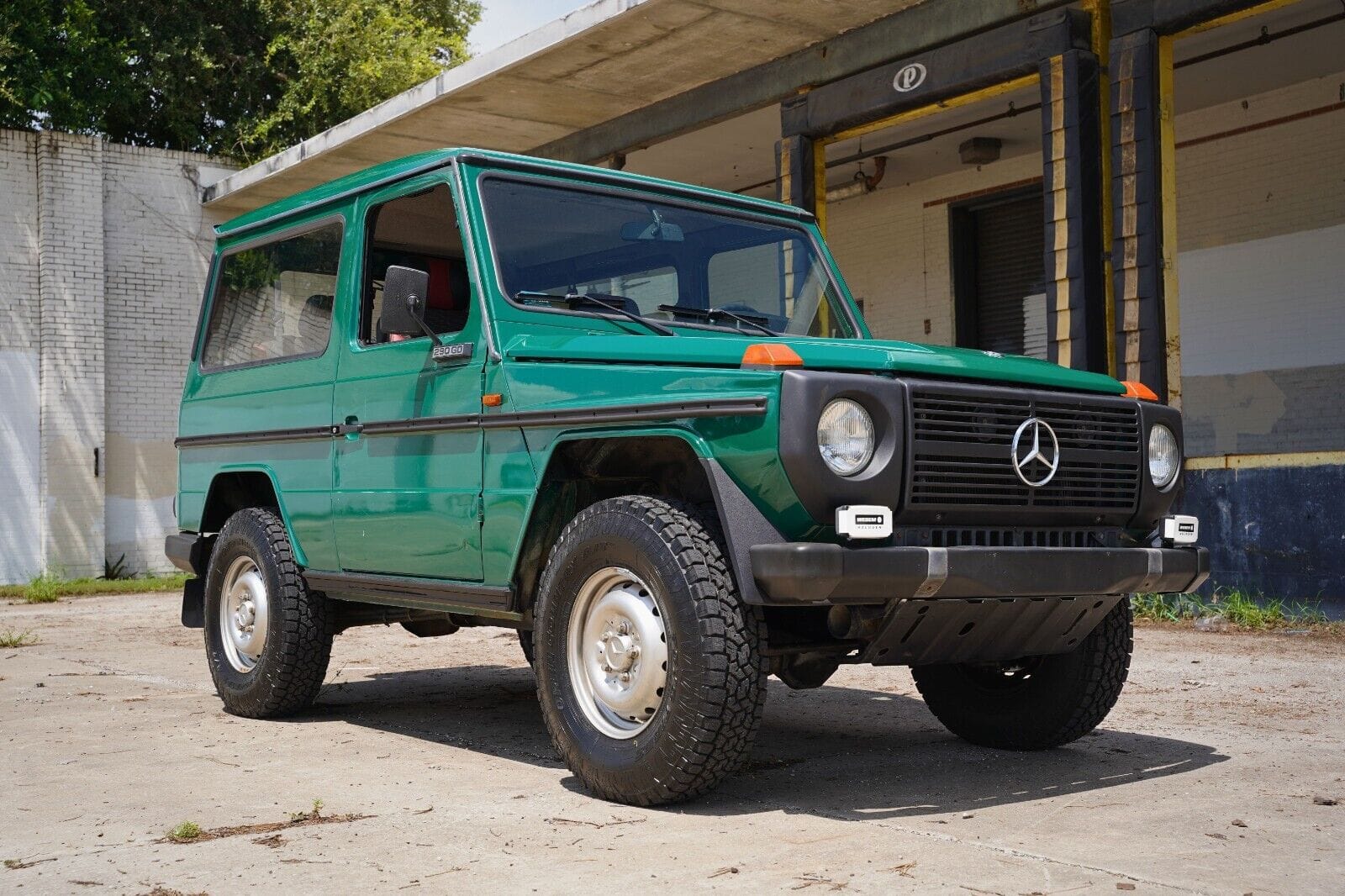 Photo Credit: cardinalmfgco
Production years: mid–late 1990s
Generation: W461
What it is: Utility upgrades to the SWB military concept with more torque; “Professional” use.
Engines: 2.9L inline-5 diesel ~95 hp (NA) / ~120–125 hp (turbo).
Markets: Government, emergency services, military in Europe/ME.
300GE
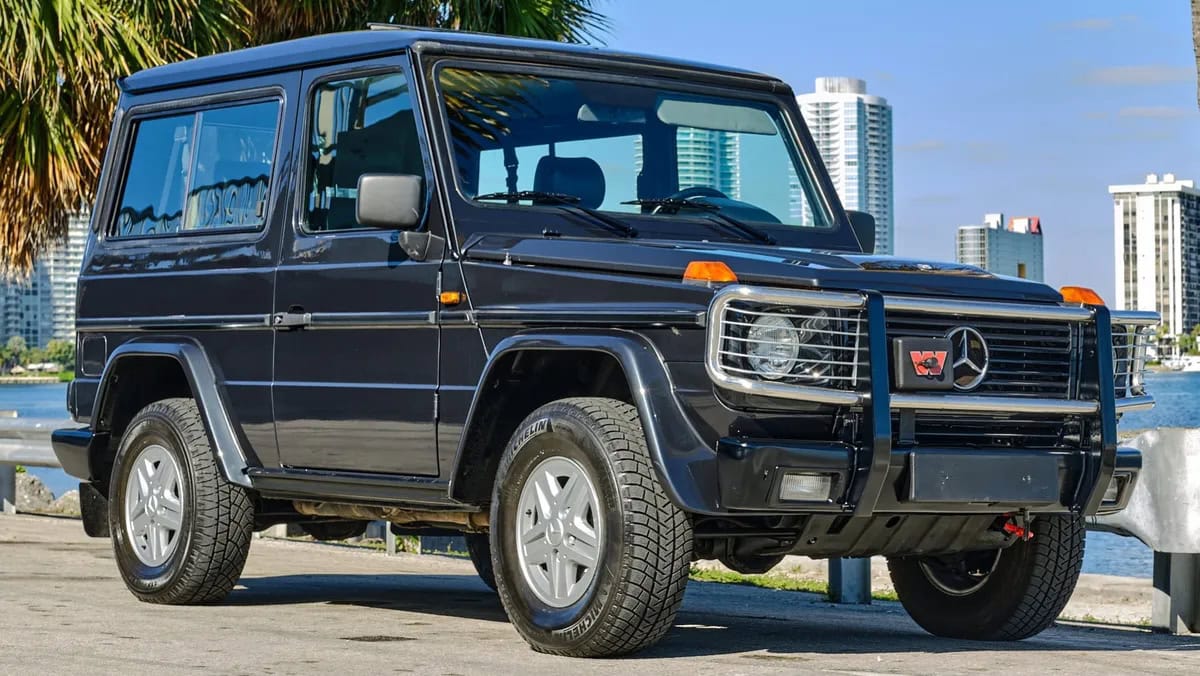 Photo Credit: Bring a Trailer
Production years: 1990–1994
Generation: Early W463 (luxury pivot begins)
What it is: Early luxury-leaning petrol inline-6 with improved trim and features.
Engines: 3.0L petrol inline-6 ~170–180 hp, NA.
Markets: Europe, Japan, select others.
G320 / G300 Turbodiesel
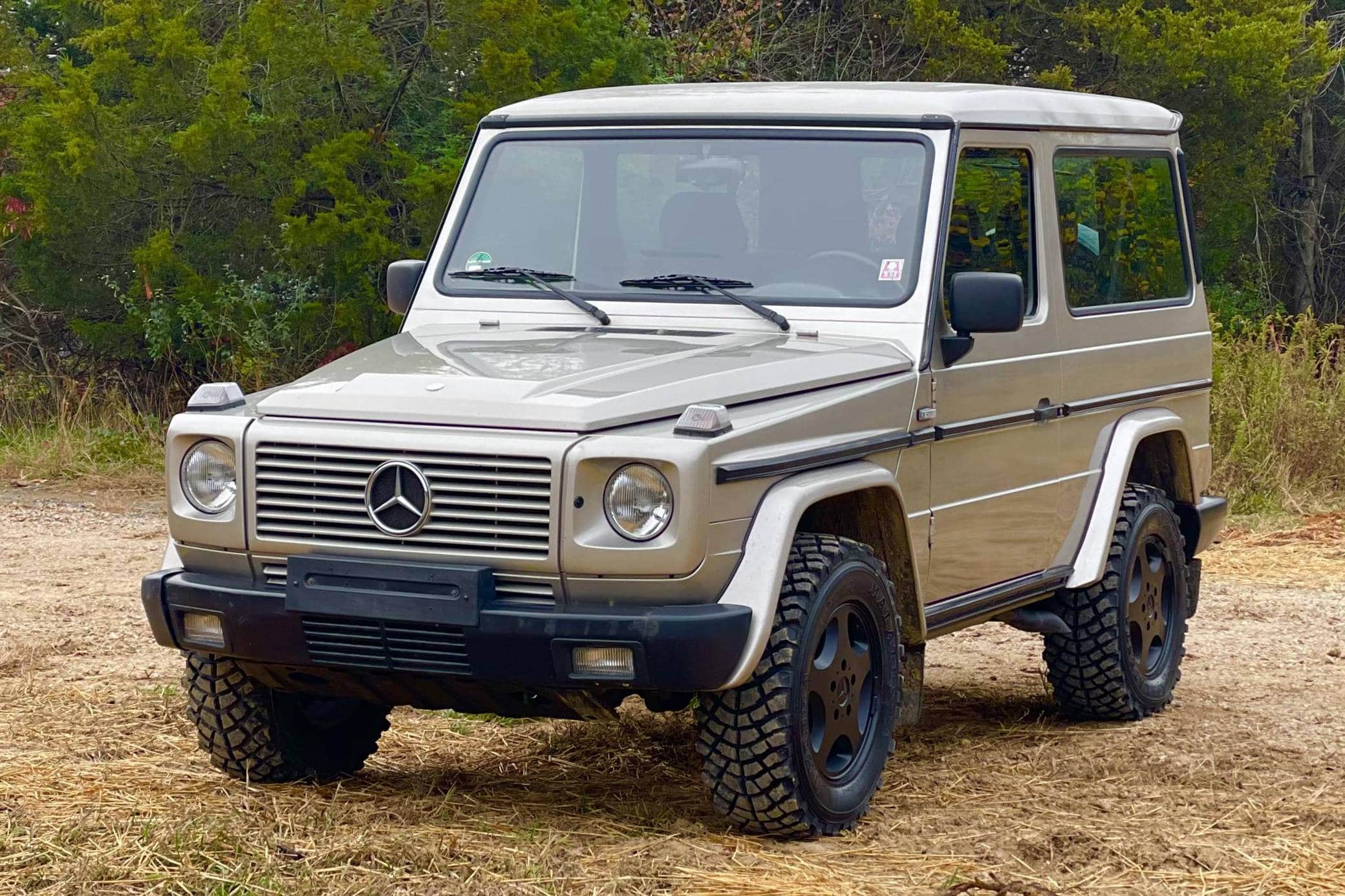 Photo Credit: Cars & Bids
Production years: mid-1990s–early 2000s
Generation: W463
What it is: Core W463 civilian models; diesel option notable for OM606 durability and smoothness—popular in g class custom and overland builds.
Engines:
G 320: 3.2 L petrol V6/I6 ~210–220 hp, NA
G 300 TD: 3.0 L OM606 inline-6 turbodiesel ~177 hp
Markets: Europe, Middle East, Asia.
G500
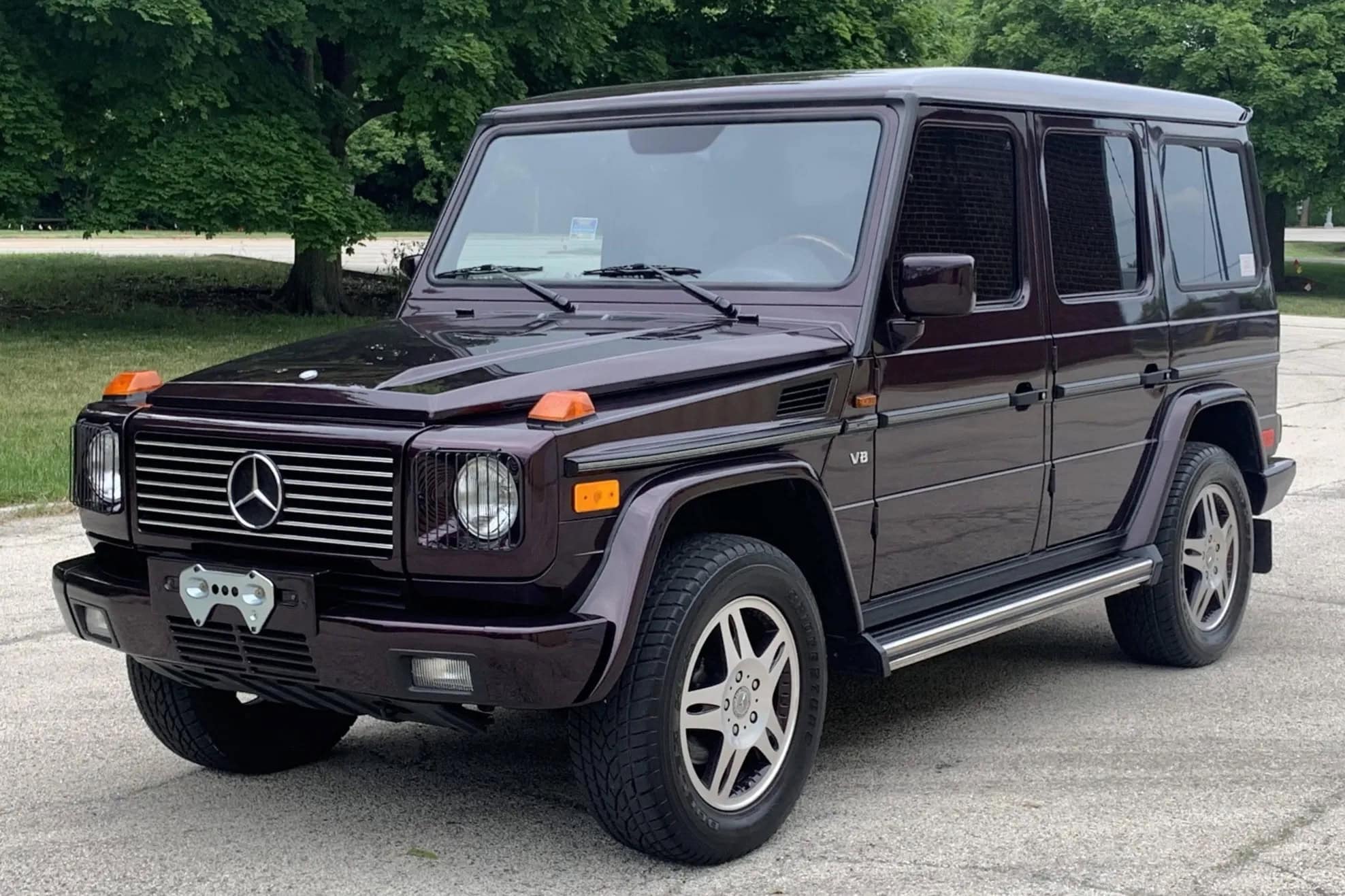 Photo Credit: classic.com
Production years: 1998–2018 (varies by market)
Generation: W463
What it is: V8 petrol that cemented the luxury profile; first official U.S. import (2002).
Engines: 5.0 L V8 ~292–300 hp, NA; later updates.
Markets: Global, including U.S. from 2002.
G500 Cabriolet
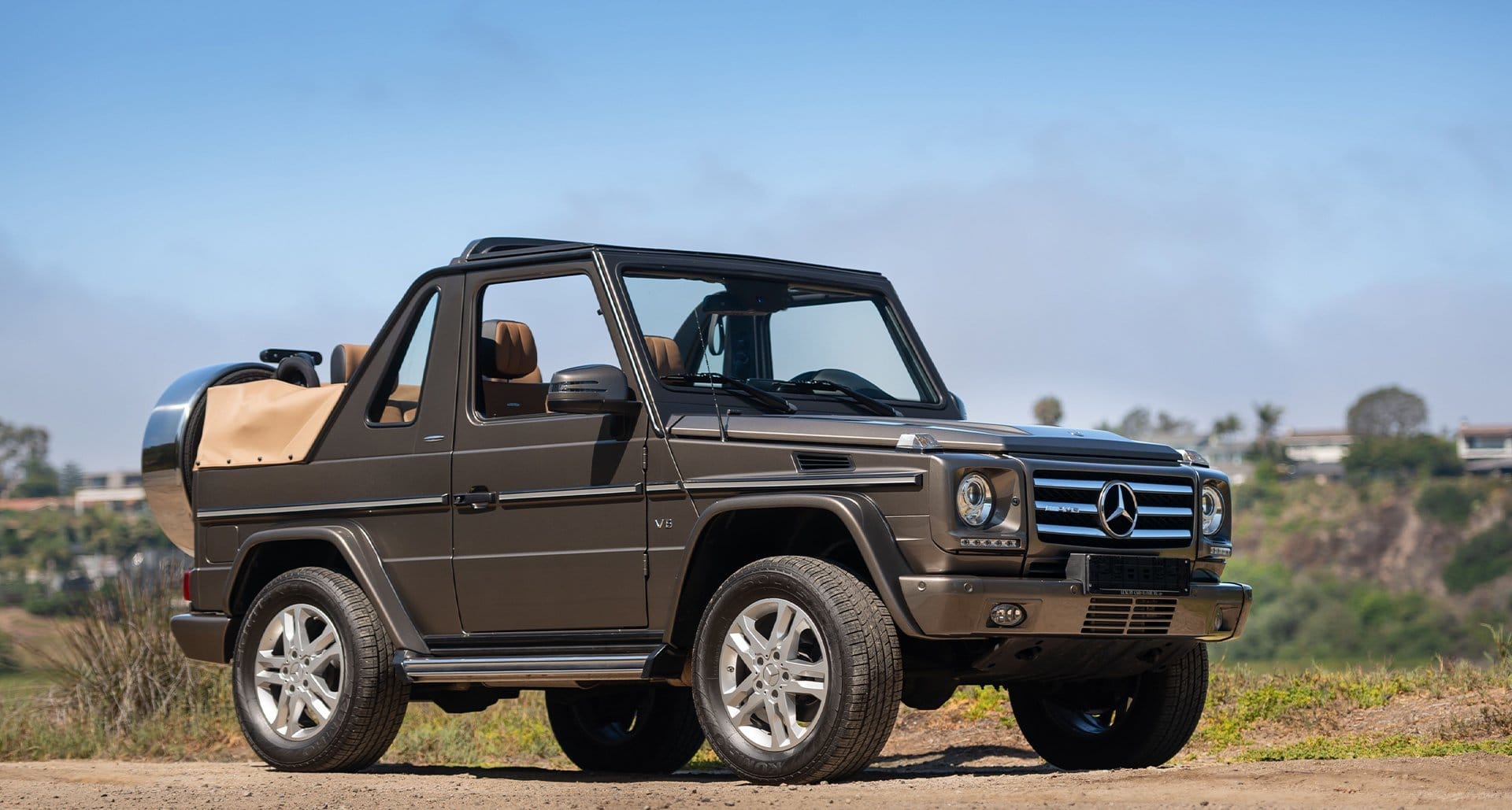 Photo Credit: Import Authority
Production years: 1997–2013 (Final Edition in 2013)
Generation: W463
What it is: One of the rarest body styles of the G Class Gelandewagen. The factory 2-door classic Mercedes convertible variant paired open-air driving with full-time 4×4 hardware. Production numbers were limited, making it highly collectible.
Engines: 5.0 L V8 ~292–300 hp (NA). Later models received updated versions of the 5.0 L with incremental improvements in efficiency and output.
Markets: Mainly Europe and select Middle Eastern regions. Never officially sold in the U.S., but some examples arrived through gray-market imports.
G55 AMG / G55 AMG Kompressor
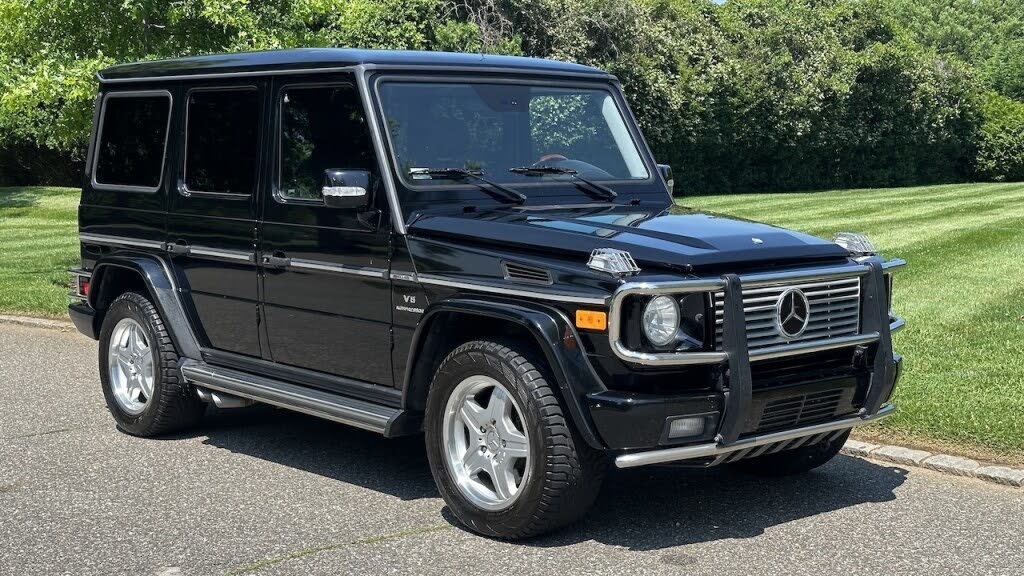 Photo Credit: Hemmings
Production years: ~1999–2012 (varies)
Generation: W463
What it is: Early AMG G-Class; Kompressor (supercharged) era brought major power increases.
Engines: 5.5 L V8 NA (~354 hp early) → 5.5 L supercharged V8 up to ~476–507 hp.
Markets: Global performance markets.
G550
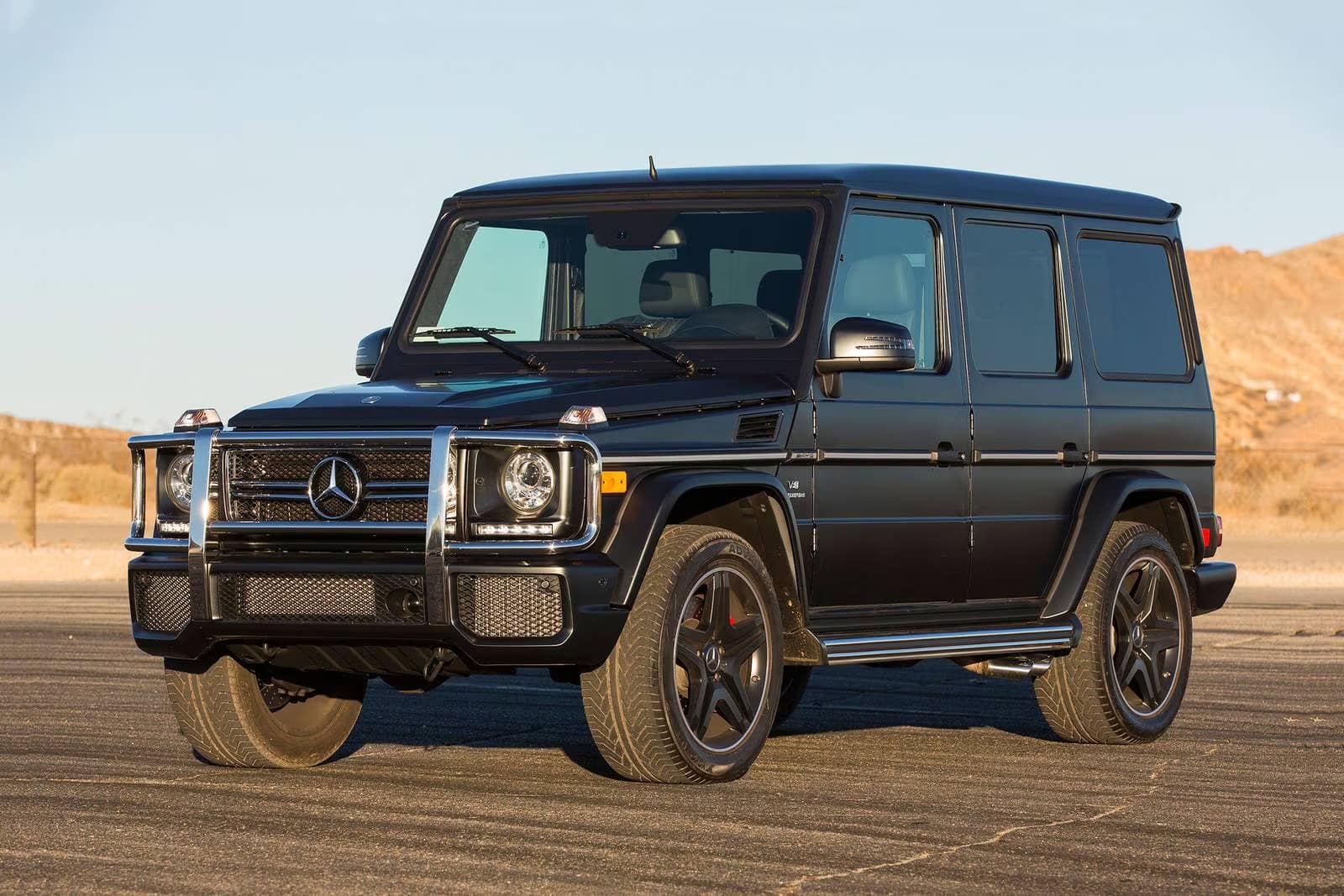 Photo Credit: Mercedes-Benz USA
Production years: 2009–present (model code shifts with W463a refresh in 2019)
Generation: Late W463 → W463a (2019+)
What it is: Core modern luxury G Wagon.
Engines: 5.5 L NA V8 (early U.S.) → 4.0 L twin-turbo V8 ~416 hp (W463a).
Markets: Global.
G63 AMG
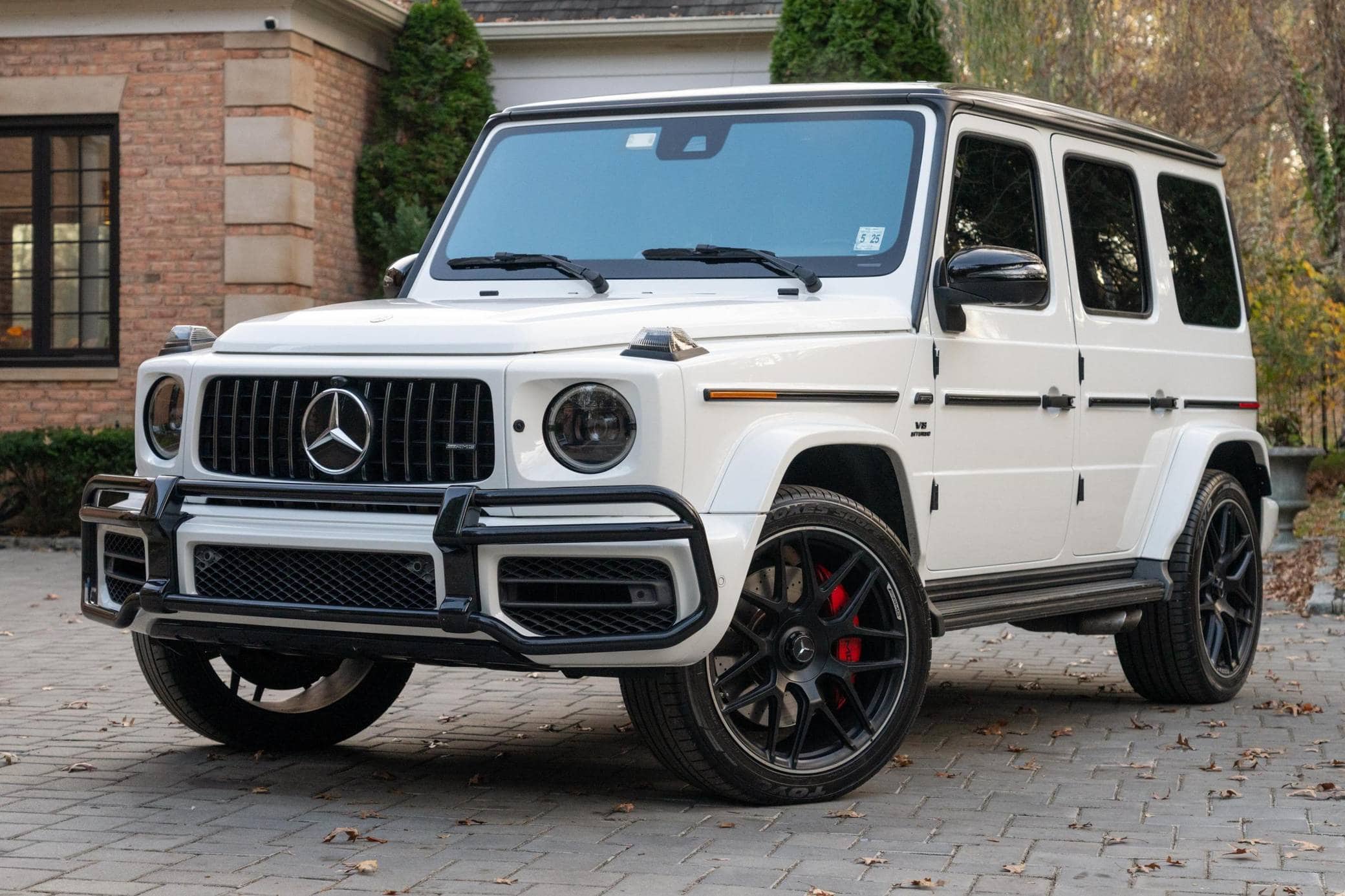 Photo Credit: Edmunds
Production years: 2012–present (W463 → W463a)
Generation: W463 → W463a
What it is: Flagship AMG twin-turbo V8 performance model.
Engines: 5.5 L twin-turbo V8 (early) → 4.0 L twin-turbo V8 ~563–577 hp (W463a).
Markets: Global, especially U.S. & Middle East.
G65 AMG
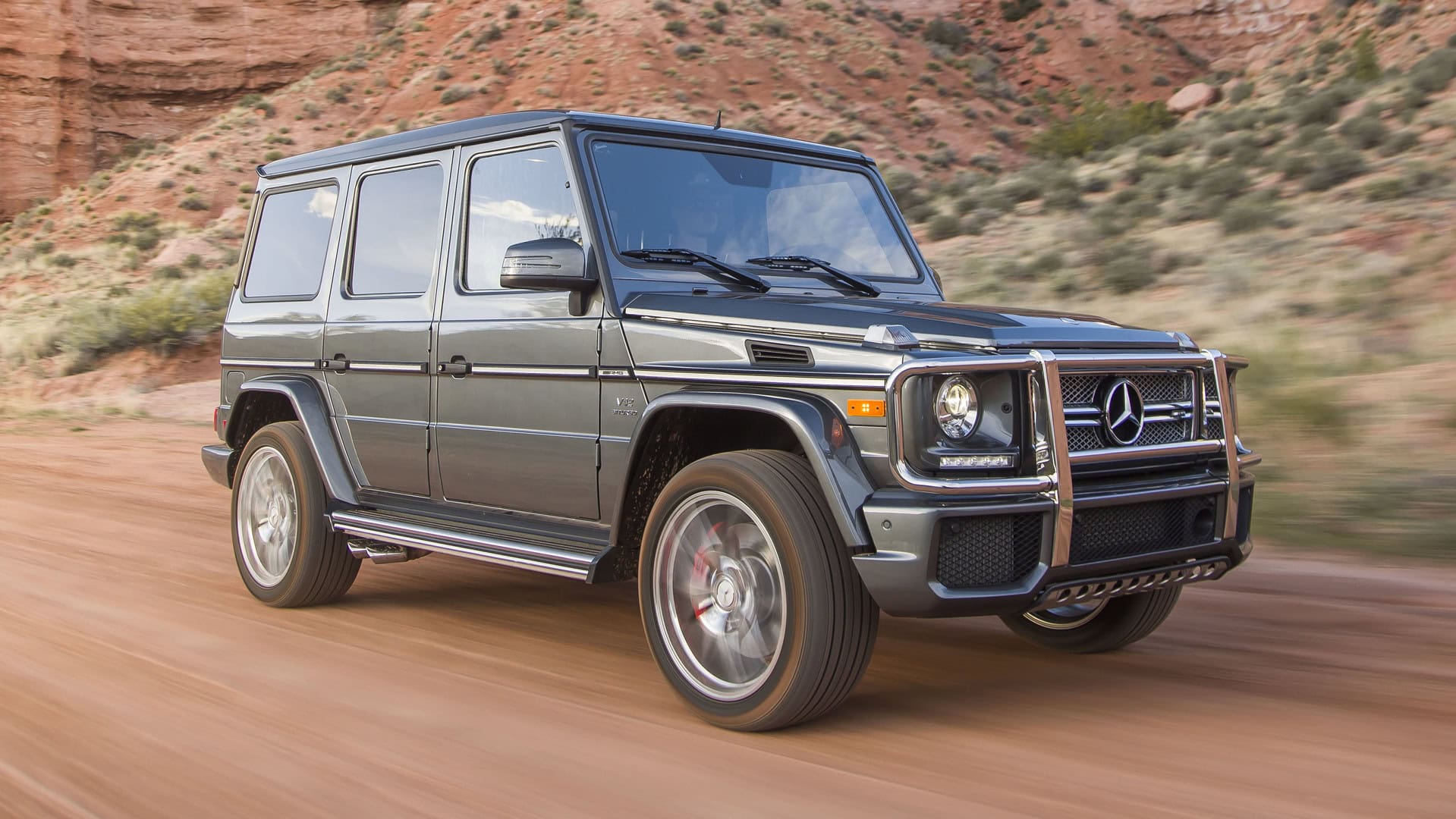 Photo Credit: Motor Trend
Production years: ~2012–2018
Generation: W463
What it is: Limited-production twin-turbo V12 G-Class.
Engines: 6.0 L twin-turbo V12 ~621 hp.
Markets: Limited allocations globally.
G550 4×4²
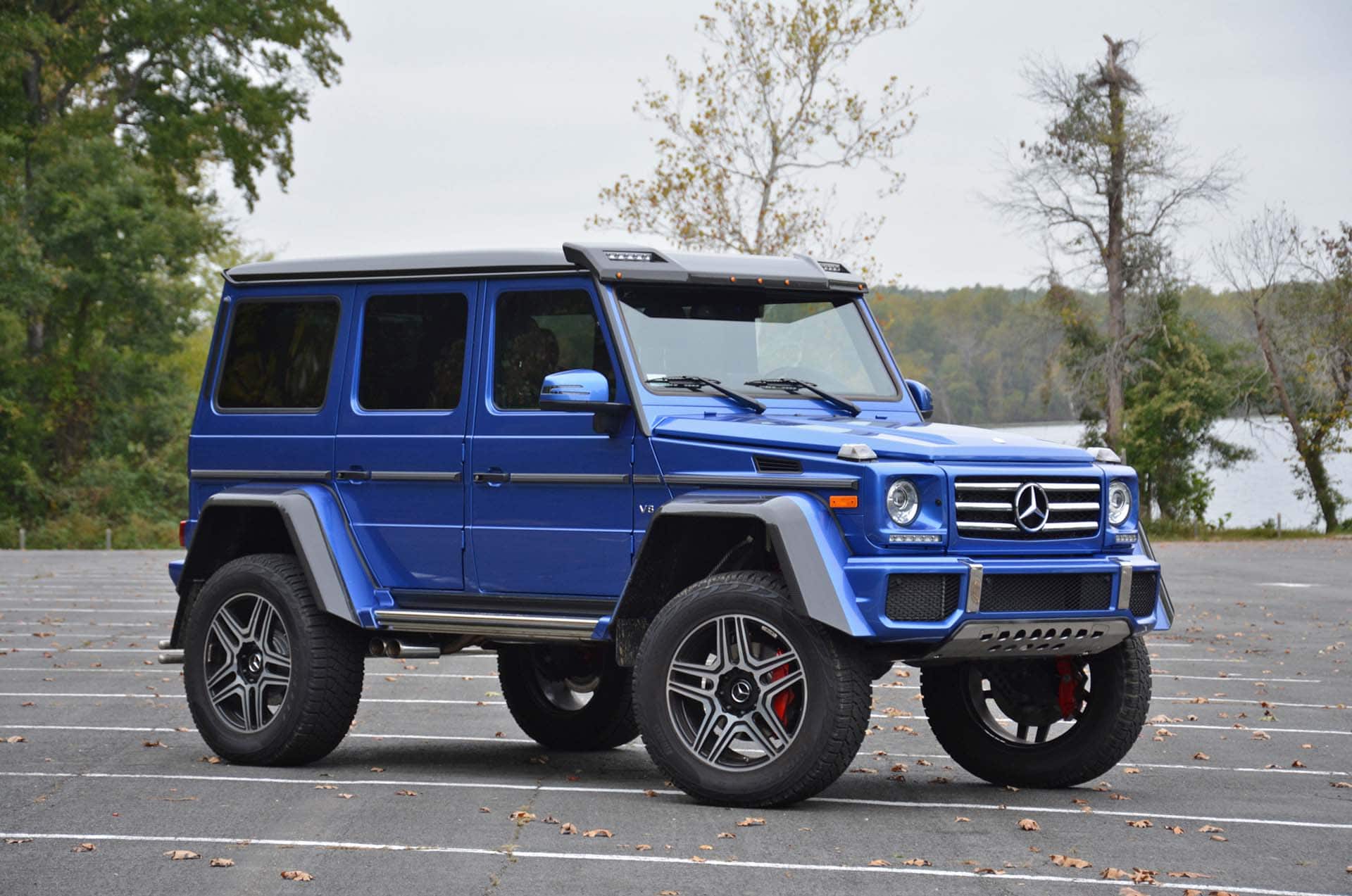 Photo Credit: The Car Connection
Production years: ~2015–2017 (select revivals/editions)
Generation: W463
What it is: Factory portal-axle extreme off-roader (U.S. badged G550 4×4²).
Engines: 4.0 L twin-turbo V8 ~416–422 hp.
Markets: Limited global release.
G63 AMG 6×6
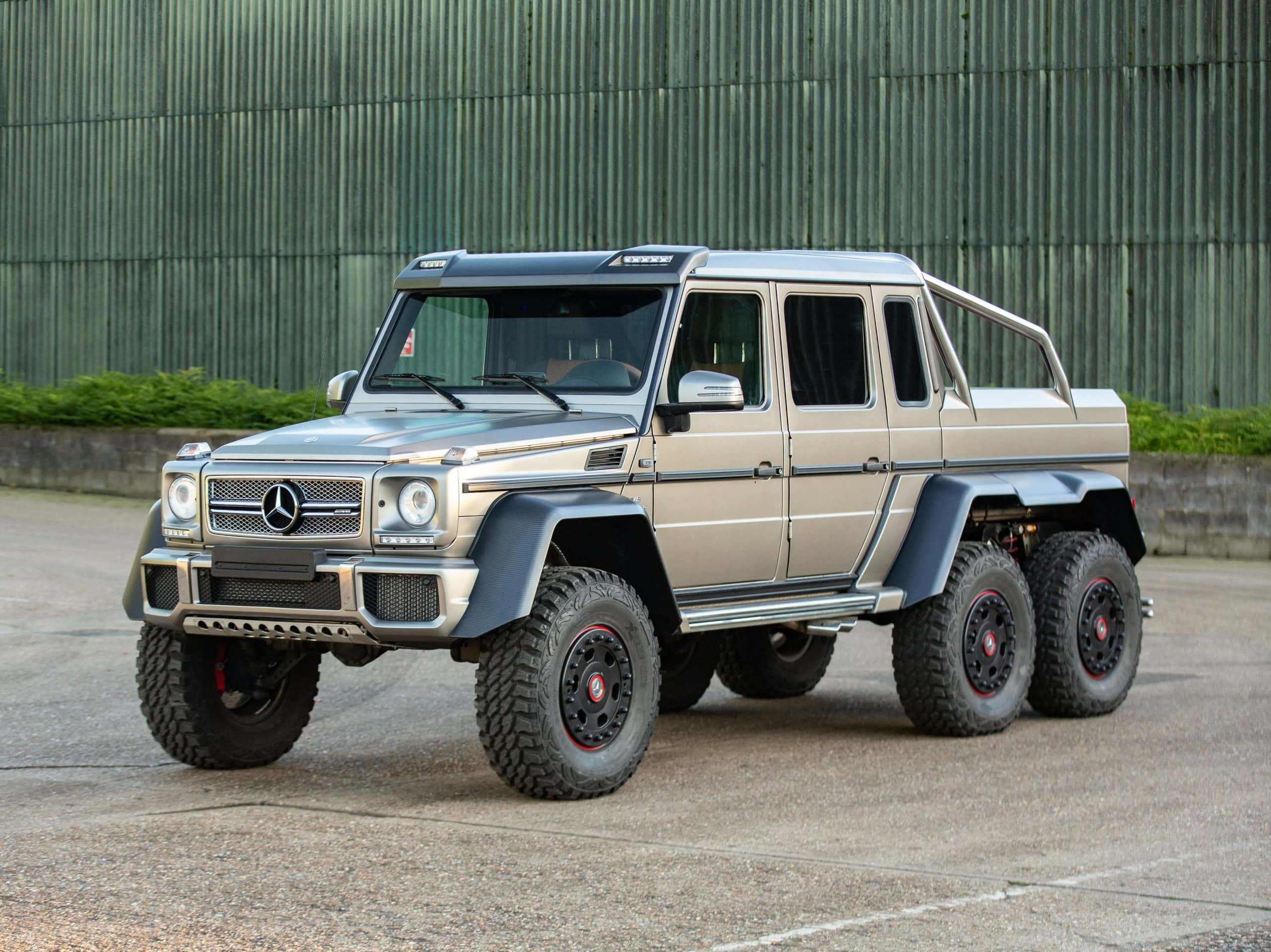 Photo Credit: Bonhams
Production years: ~2013–2015
Generation: W463 (special)
What it is: Six-wheel, five-diff, portal-axle special build; pickup bed body.
Engines: 5.5 L twin-turbo V8 ~536 hp.
Markets: Limited run, mainly Middle East and special-order markets.
Mercedes-Maybach G650 Landaulet
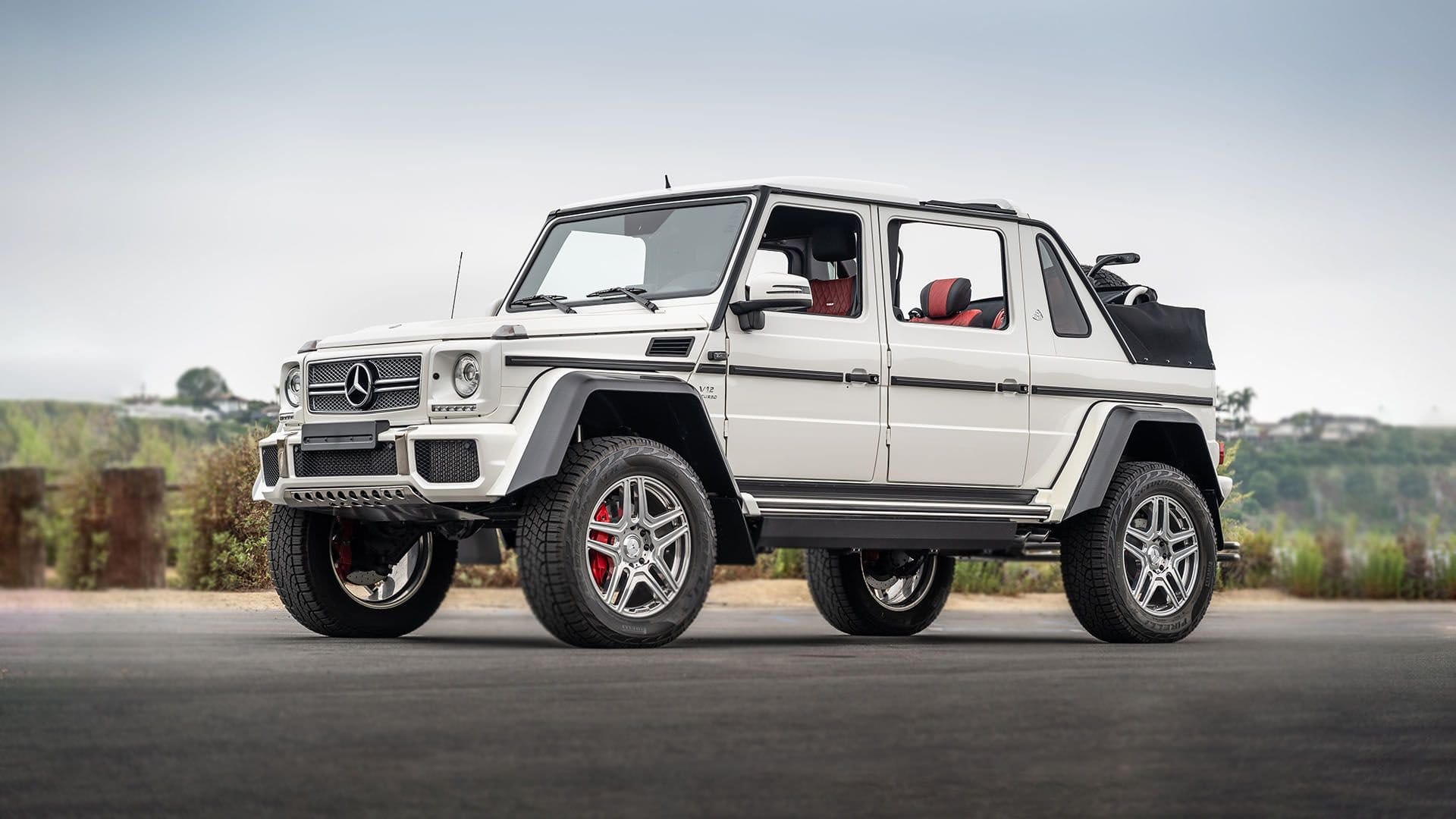 Photo Credit: Classic Cars
Production years: 2017 (limited to 99 units)
Generation: W463 (extended wheelbase)
What it is: Ultra-luxury landaulet; rear soft-top, first-class rear seating.
Engines: 6.0 L twin-turbo V12 ~621 hp.
Markets: Ultra-limited, global.
G350d / G400d
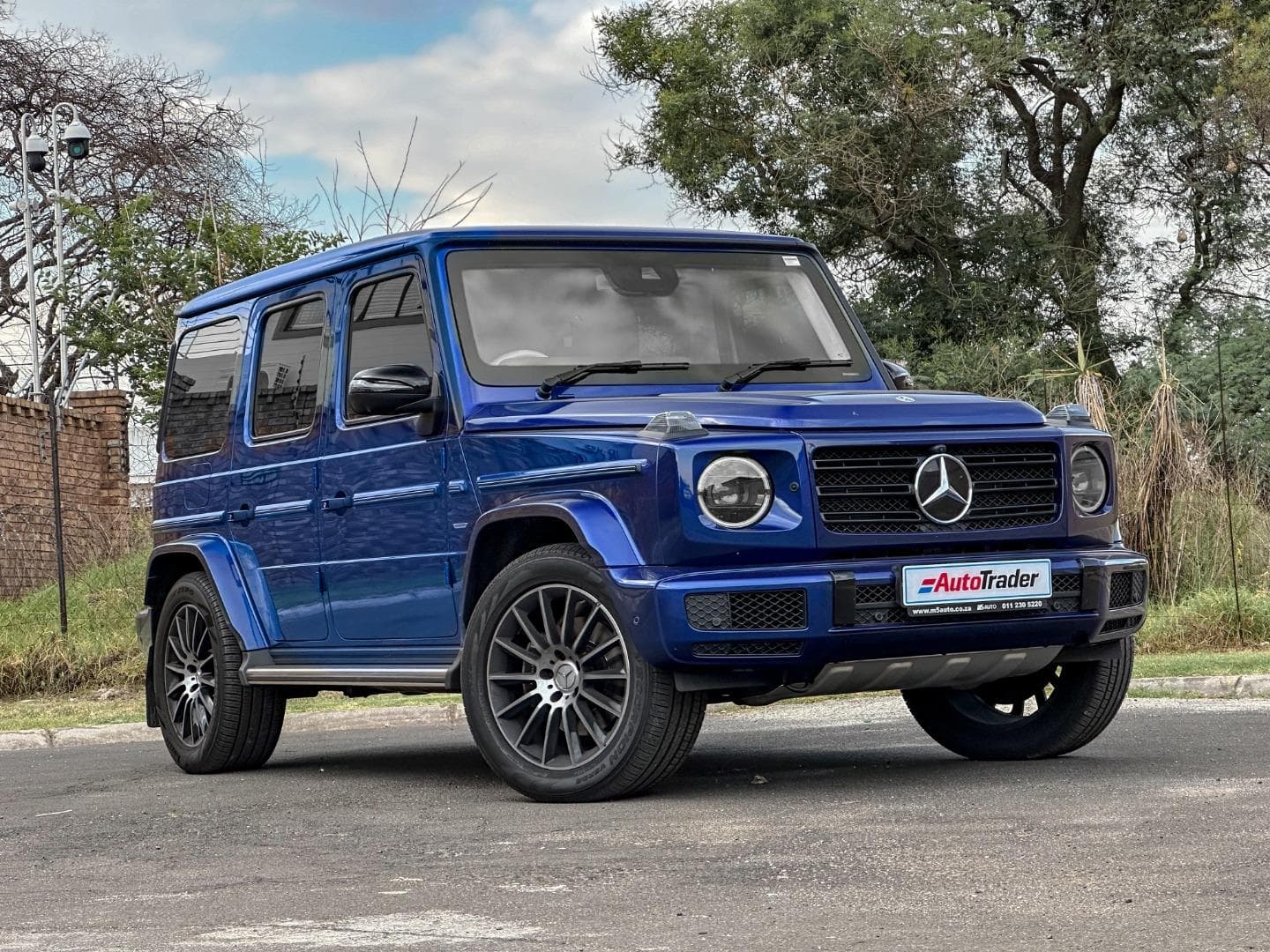 Photo Credit: Auto Trader
Production years: 2019–present
Generation: W463a
What it is: Modern diesel G-Class for Europe and other diesel markets.
Engines: 3.0 L inline-6 turbodiesel ~282–325 hp.
Markets: Europe, Asia, selected regions (not U.S.).
G 63 4×4²
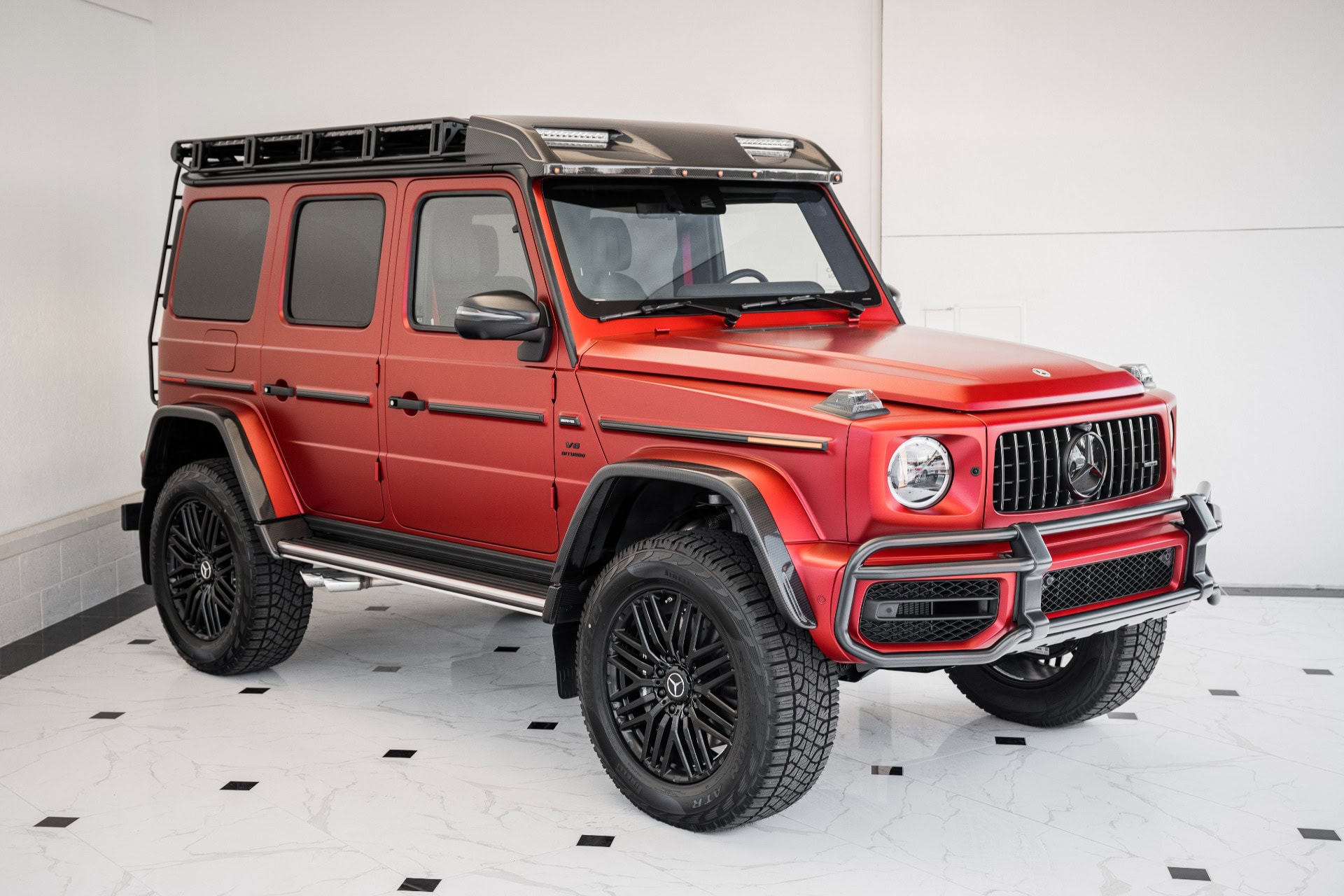 Photo Credit: Edmunds
Production years: 2022–present (limited availability)
Generation: W463a
What it is: Factory AMG version of the portal-axle “4×4 squared” concept on the current G-Class; significantly increased ground clearance and track width compared with the standard G 63.
Engines: 4.0 L twin-turbo V8 (~577 hp), AMG 9-speed automatic, permanent 4MATIC.
Markets: Limited global release; examples offered in the U.S. market.
Mercedes-Benz G580 EV
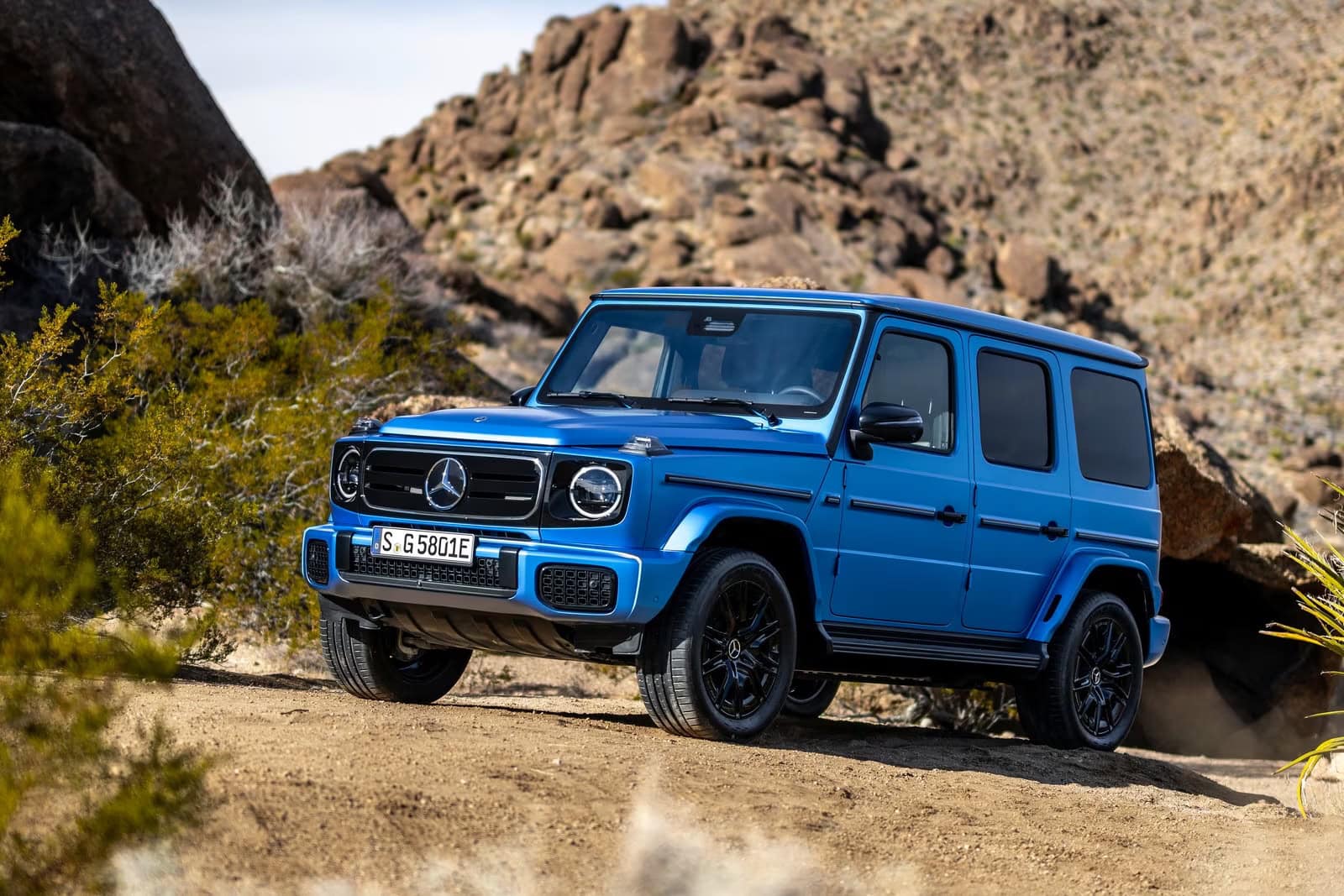 Photo Credit: Top Marques Monaco
Production years: 2025–present
Generation: W463 (electric variant)
What it is: Fully electric G-Class with battery-integrated ladder frame; retains traditional Gelandewagen design while introducing EV-specific features such as “G-Turn” (on-the-spot rotation).
Engines: Four independent electric motors, combined ~579 hp and 859 lb-ft torque; 0–60 mph in ~4.2 seconds.
Markets: Global, including North America and Europe.
The Legacy of the G Wagon
Across decades and variants, the G Class Gelandewagen has covered a wide range of roles, from early utility diesels and military-spec Wolfs to modern AMG performance models. That breadth is exactly why our restorations aim to honor the platform’s origins while refining day-to-day usability. At Expedition Motor Company, we perform in-house, frame-off builds of the W461 250GD Wolf and related vintage G Wagon variants, taking bodies to bare metal and completely rebuilding and modifying them to accommodate today's driver. The goal is simple: preserve the geometry and mechanical feel that define the G, and improve drivability, reliability, comfort, and control. If you’d like to outline a specification, start with our custom G Wagon configurator here: https://www.expeditionmotorcompany.com/custom-g-wagon-wolf-builder/
Taken together, the models profiled above show why the G continues to matter: a clear lineage, technical transparency, and a platform that has adapted without losing its identity. Whether someone is studying early utility diesels, rare cabriolets, or modern AMG variants, the through-line is the same, purposeful engineering and enduring design.