
How long does a G-Wagon restoration take?
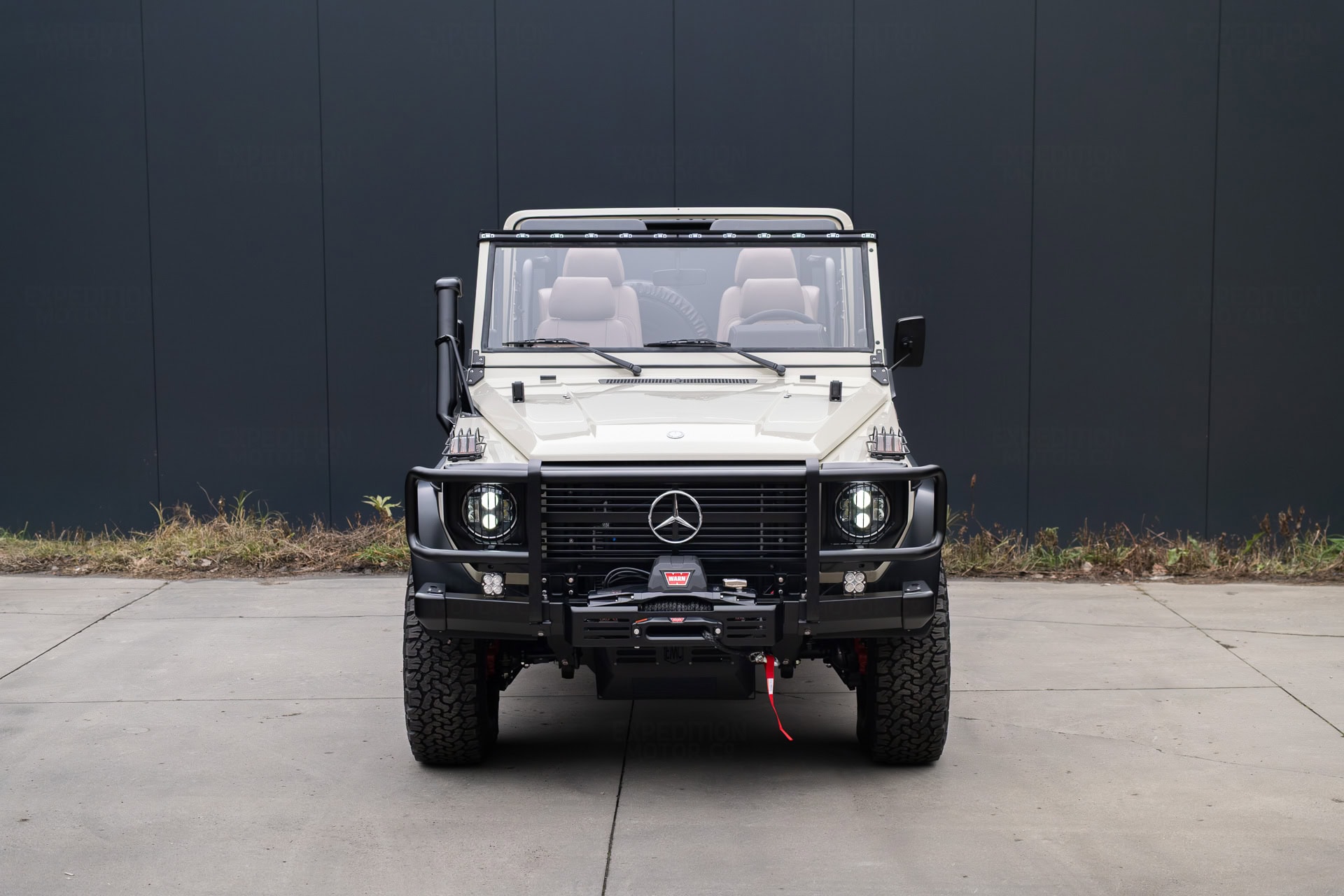
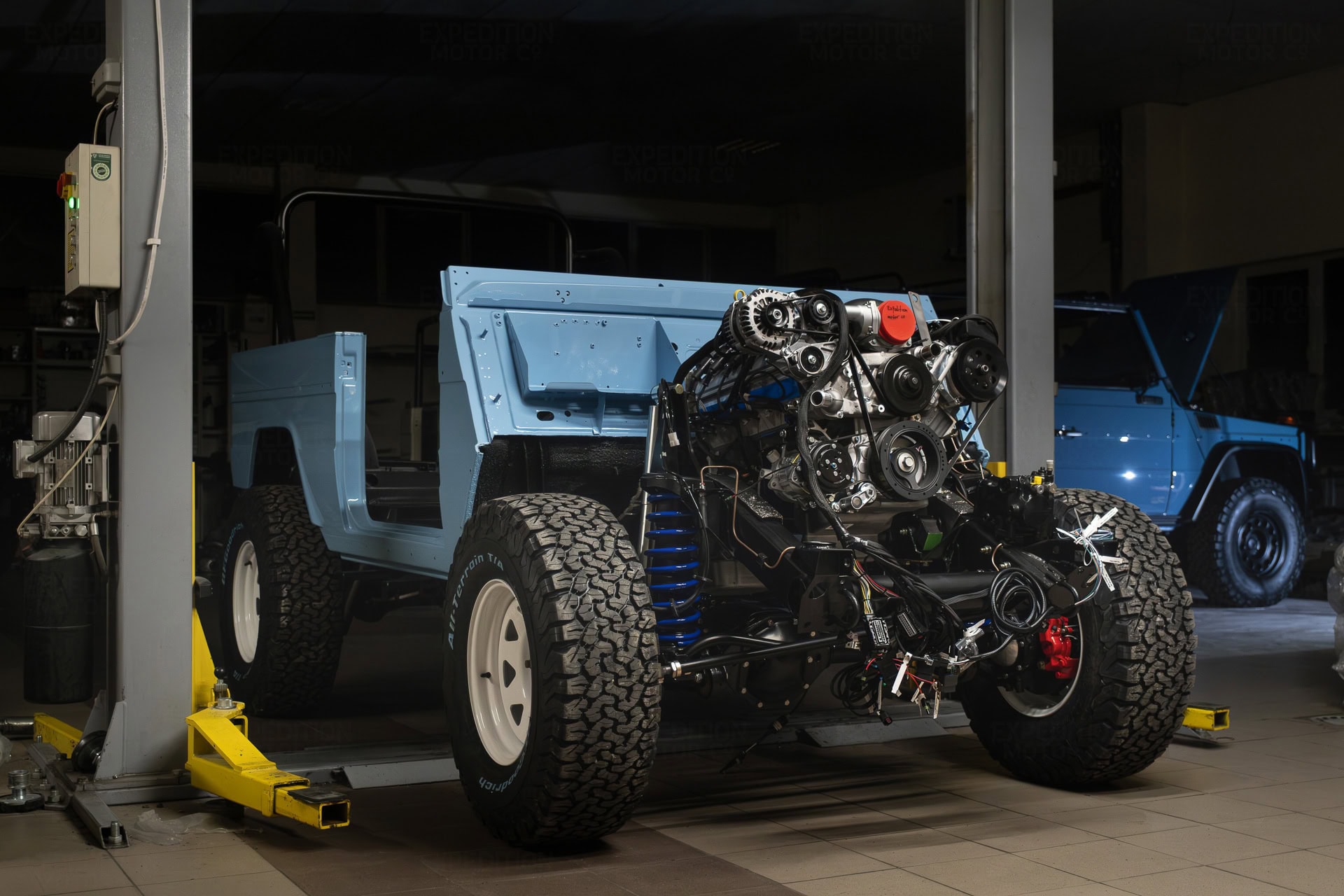
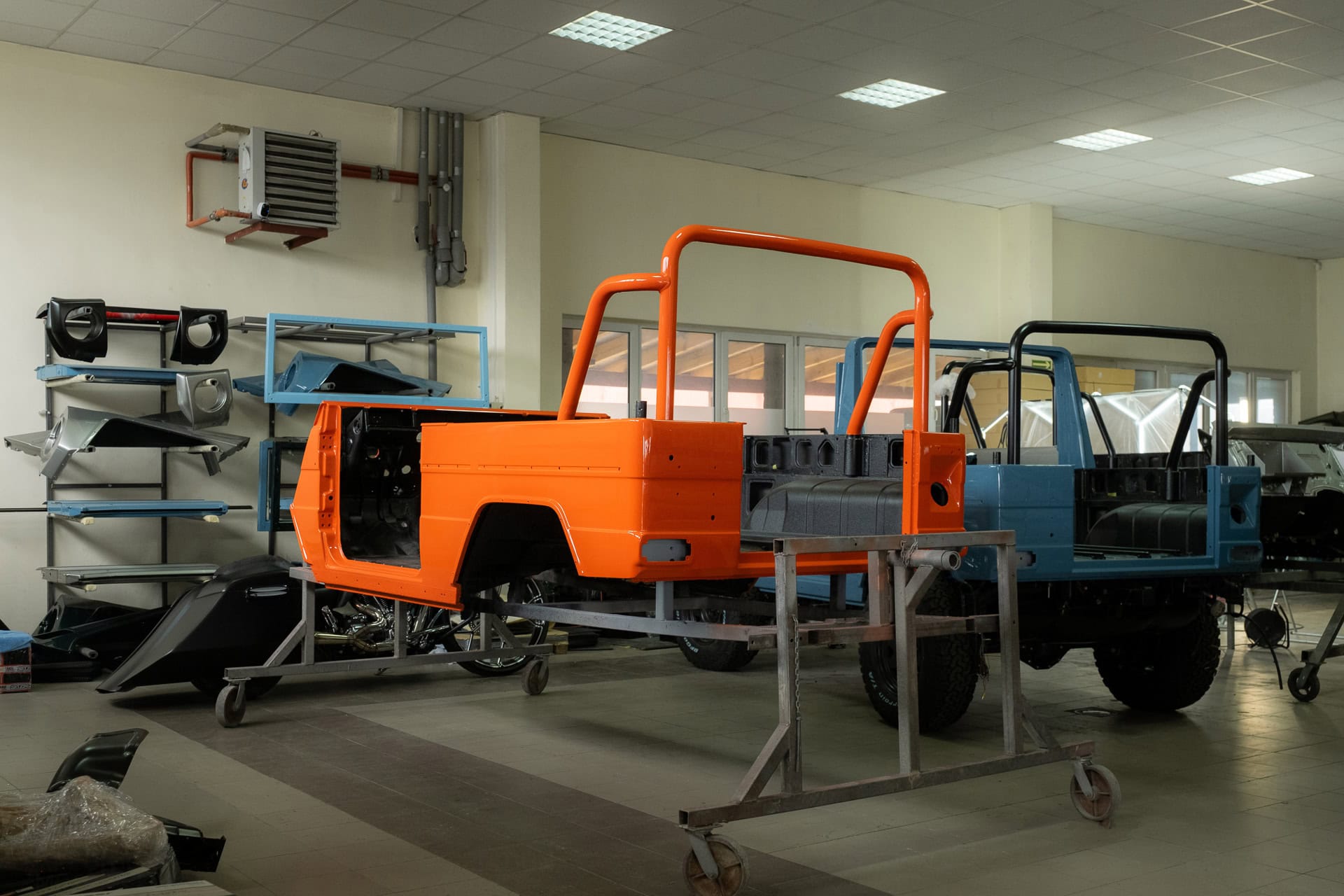
When people ask how long a restoration takes, the answer requires some context. Each EMC Wolf build requires over 2,500 man-hours of work, carried out entirely under one roof by a team of 26 craftsmen who have spent the better part of a decade focusing on a single model and nothing else.
That focus was a founding decision, made in 2017, and it has shaped everything since. Choosing to work exclusively on one platform means that every hour of development, every engineering solution, and every refinement made on one build informs the next. The knowledge doesn't disperse across different vehicles, it compounds. Over 180 builds and six distinct generations later, that depth of experience is embedded in every truck that leaves our shop.
2,500+ 180+ 6
Man-hours per build Builds delivered EMC Wolf generations
A platform worth understanding
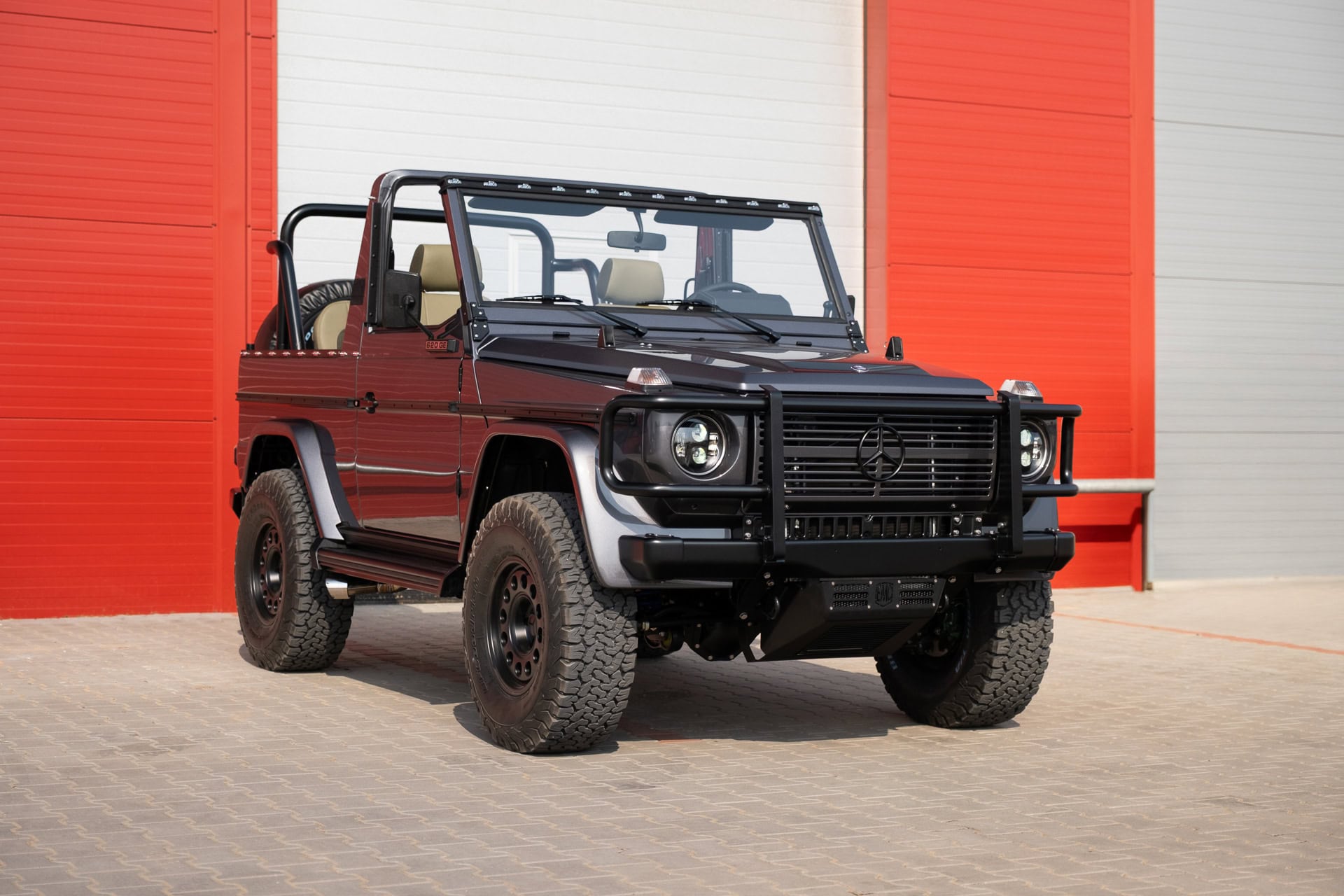
To appreciate why a proper restoration demands the time it does, it helps to understand the vehicle itself. The G Class Gelandewagen is one of the longest-running production vehicles in automotive history, a platform whose origins trace back to a utilitarian military brief and whose character has remained largely intact across decades of incremental development. What makes the older generations so compelling to restore is precisely what makes them demanding to work with, they were built for durability and function, not for the refinements that modern drivers have come to expect.
The trucks we work with most frequently are drawn from the era that many consider the most characterful period in the model's history. The 1990s G-Wagon in particular occupies a distinct place among collectors and enthusiasts, narrow body, mechanical simplicity, and an honesty of construction that later generations, for all their sophistication, have moved away from. Understanding the G-Wagon history, how they were engineered, what they were built for, and where their limitations lie, is foundational to restoring them well, and it is knowledge that only comes from working closely with the platform over many years.
What the process entails
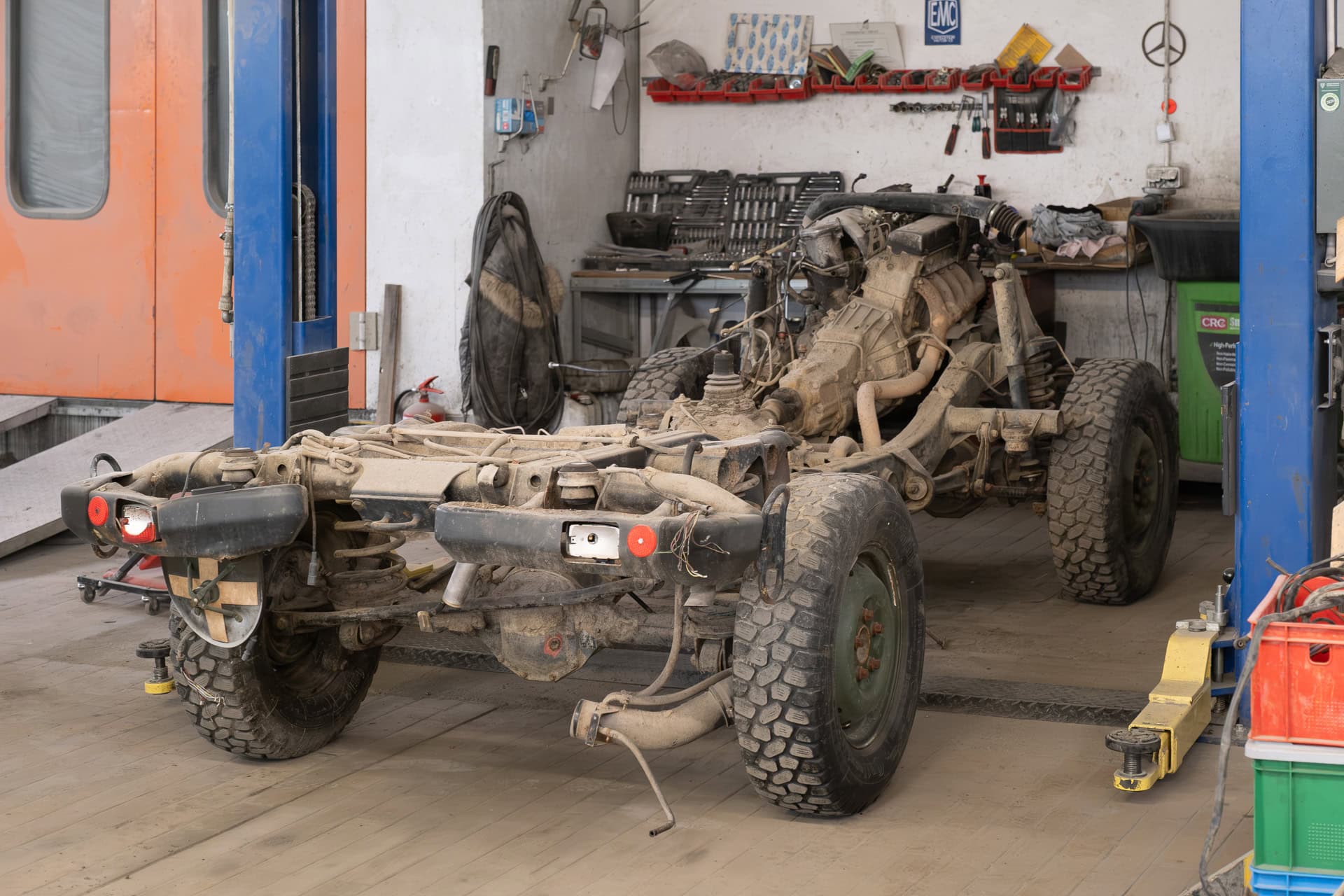
Every component on our trucks is either restored, replaced, or upgraded. That is not a characterization of the process; it is a literal description of it. The scope of that commitment extends into areas that are not immediately visible but are felt in how the finished truck behaves. When a client commissions a custom G-Wagon from us, the starting point is a complete disassembly, and nothing returns to the truck unless it has been attended to properly.
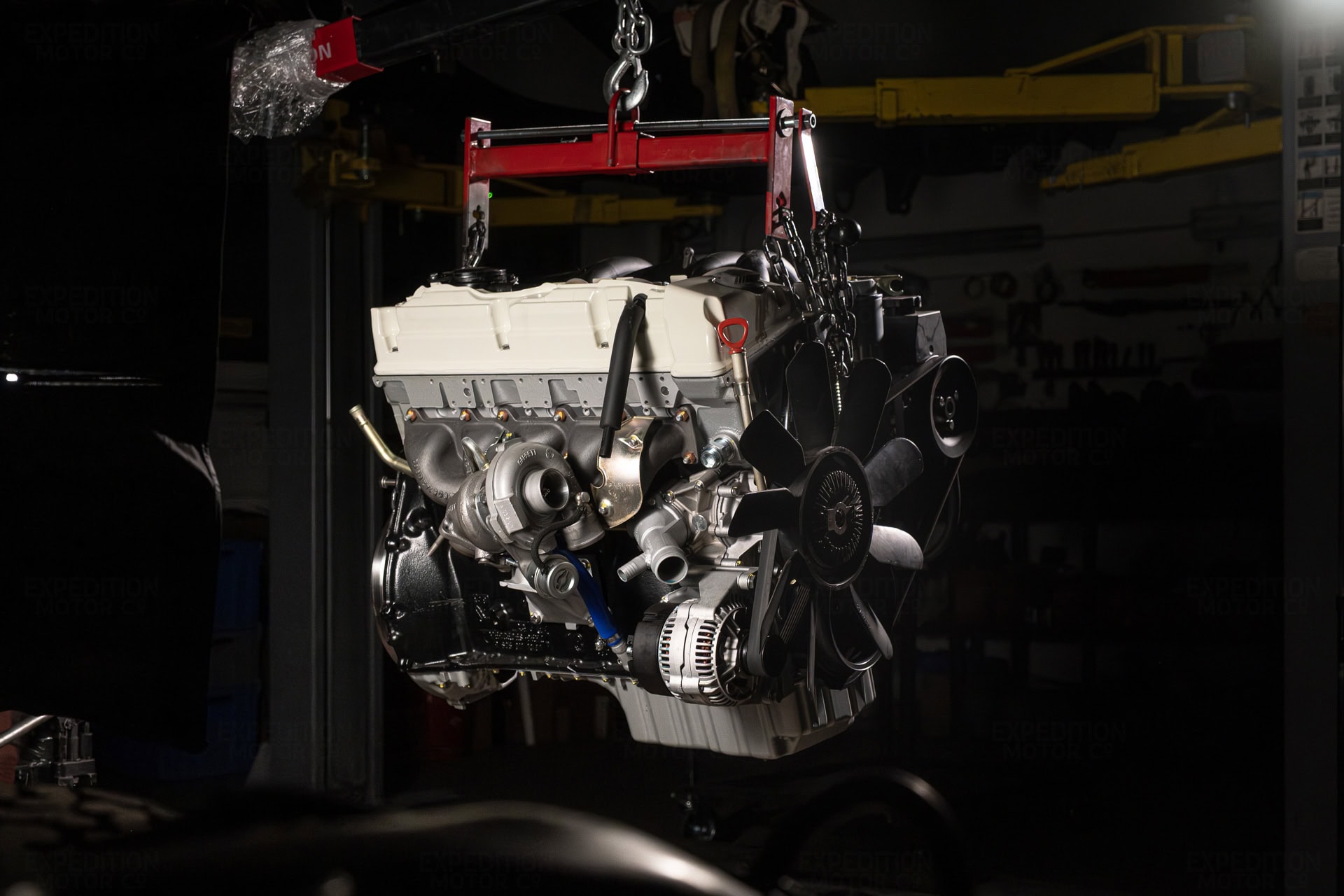
The engine is one of the more consequential decisions in any build, and it is an area where we have done substantial development work over the years. Our builds have featured a range of powertrain configurations, and the engineering required to integrate them correctly varies considerably depending on the application. An OM606 diesel conversion, for instance, demands a different approach to supporting components, cooling, and driveline calibration than a gasoline build, but in both cases, the integration is engineered from the ground up rather than adapted from an off-the-shelf solution. For clients seeking a more performance-oriented character, our LS3 V8 builds represent the furthest expression of what the platform is capable of, and they require the most extensive development work of any configuration we produce, including custom-machined supporting components, a proprietary cooling system designed specifically for the application, and a fully re-engineered driveline built to handle the output reliably over time.
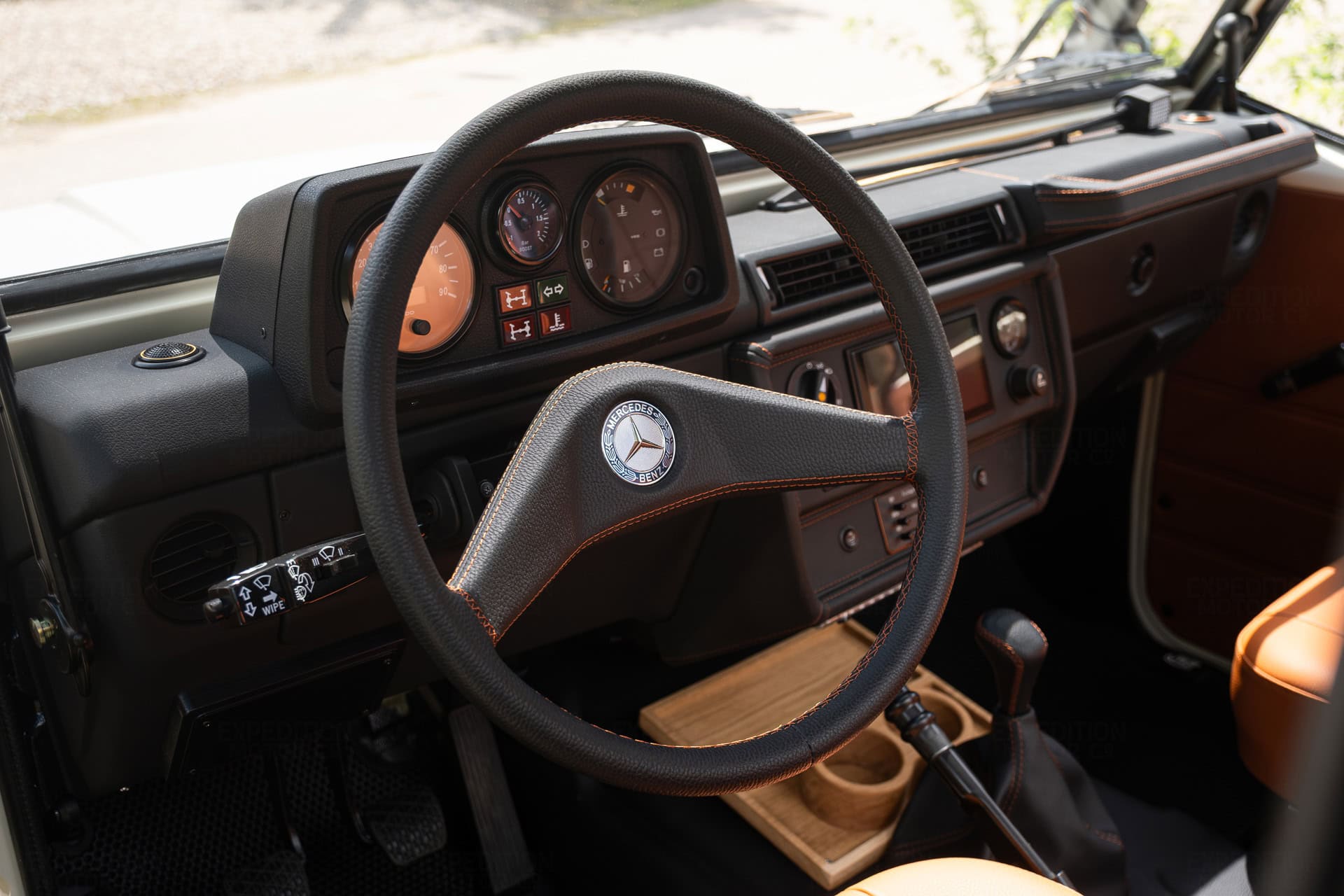
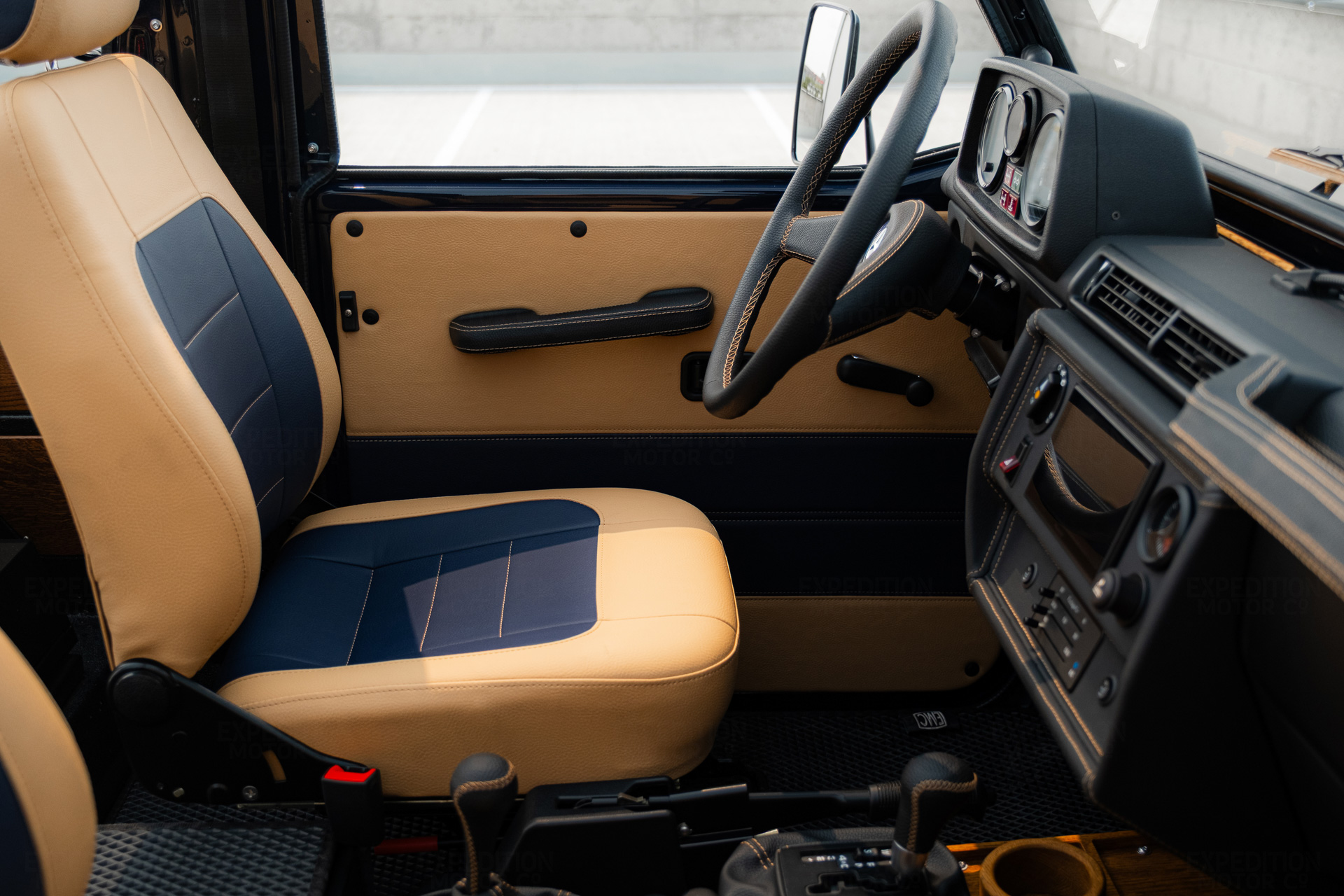
The interior receives the same level of attention as the mechanical work beneath it. Many components are 3D printed, designed to allow modern hardware to sit within the original dashboard in a way that feels considered rather than retrofitted, seamlessly integrated into the existing architecture rather than imposed upon it. The goal is always that the finished interior reads as coherent and that the technology present serves the driver without announcing itself.
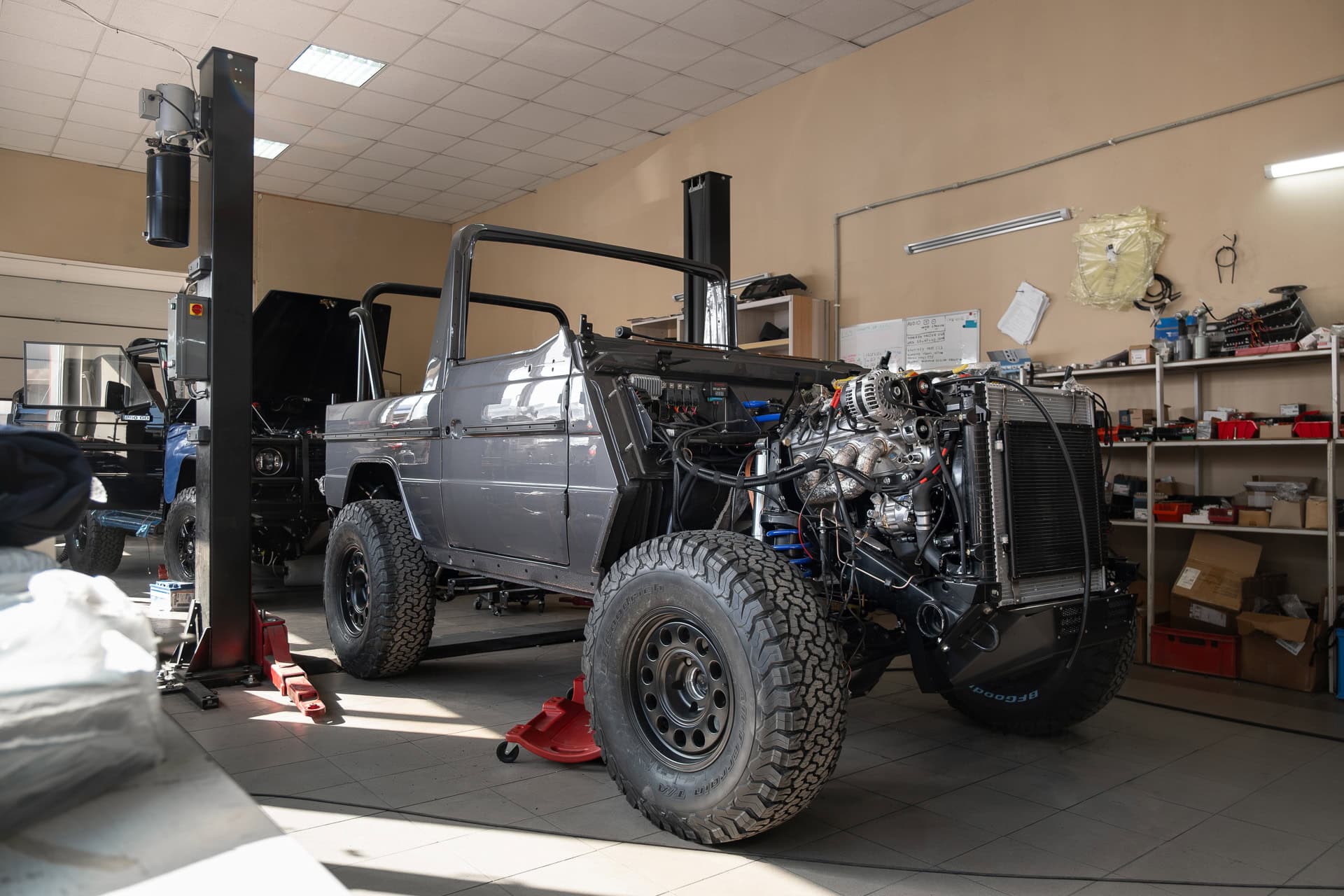
Doing everything under one roof is central to how this level of quality is maintained. When fabrication, engineering, restoration, and finishing are all carried out by the same team in the same space, there is a continuity of attention that a fragmented process cannot replicate. Each craftsman is accountable to the whole, and the standards held at one stage of the build carry through to every stage that follows.
Six generations of development
The six generations of EMC Wolf builds represent genuine evolution, not incremental updates, but significant changes across engineering, fabrication, and integration at each stage. The early generations established the foundations of how we approach the restoration process and what a finished build should feel like. Later generations introduced more ambitious powertrain integrations, more refined interior solutions, and the kind of engineering depth that only becomes possible once a team has spent years working on one platform.
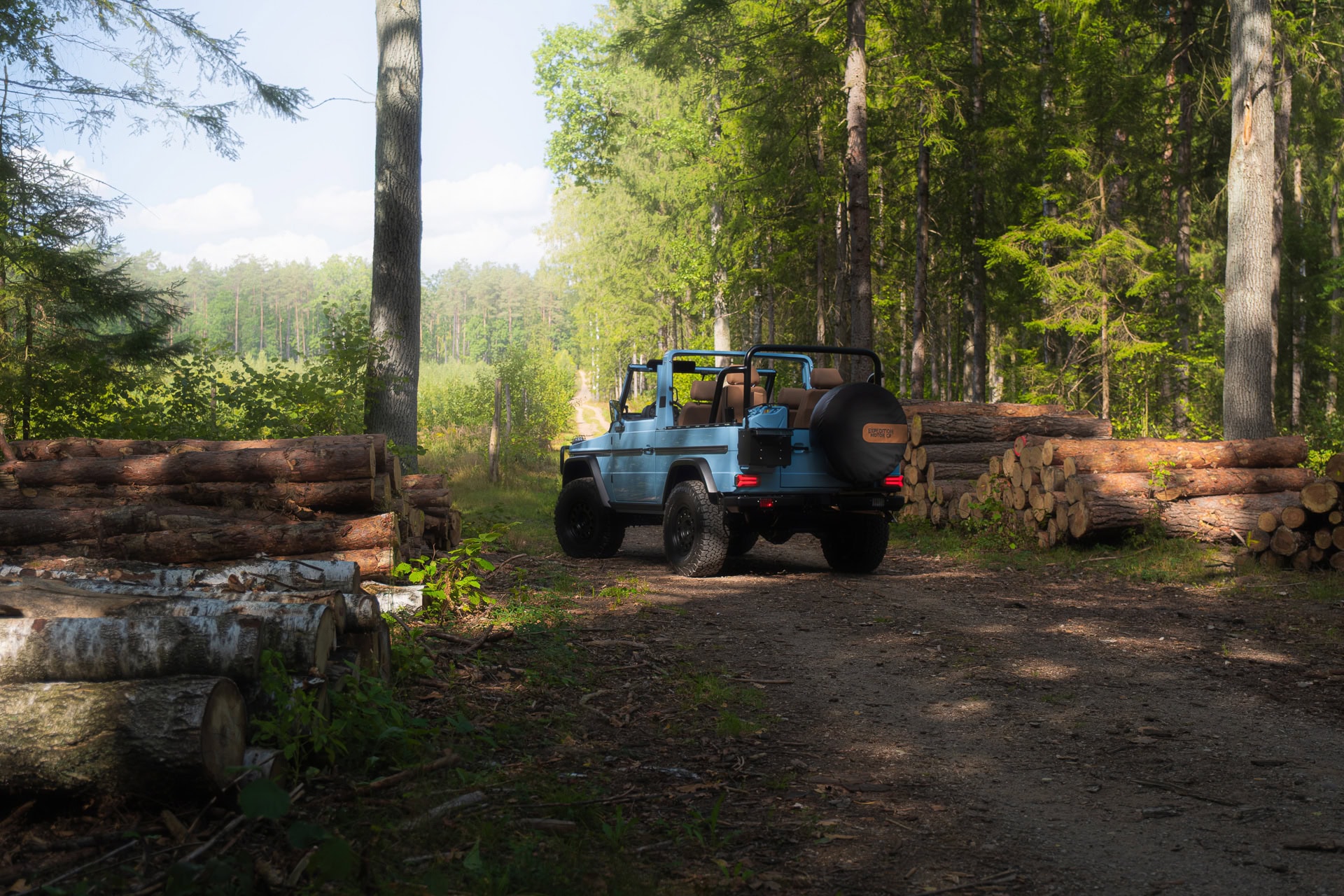
That generational progression is inseparable from our single-model focus. The lessons carried forward from one generation to the next are specific to this G-Wagon model — its geometry, its characteristics, and the particular challenges it presents. What the sixth generation is capable of is a direct result of the work done across every generation that preceded it, and the development invested in arriving here has been considerable.
The driving experience
These are vehicles with a history and a character worth preserving, and the objective is never to change what the G-Wagen is, but to bring its capability to a standard appropriate for modern use while keeping it authentic to its origins. There is a version of this kind of work that trends toward spectacle, highly modified, visually transformed, built more for attention than for use. That is not our approach, and it has never been. The builds we are most proud of are the ones that are difficult to date, where the modifications feel native rather than applied.
The result is a truck that is comfortable at highway speeds, well-appointed on the interior, and equipped with the technology that makes daily driving genuinely pleasant: climate control, heated seats, wireless Apple CarPlay, a backup camera, all integrated without compromising the analog quality that makes the platform worth restoring in the first place. It is worth noting that this same philosophy of considered, restrained integration is something we apply across our Short Wheelbase G-Wagon and Long Wheelbase builds.
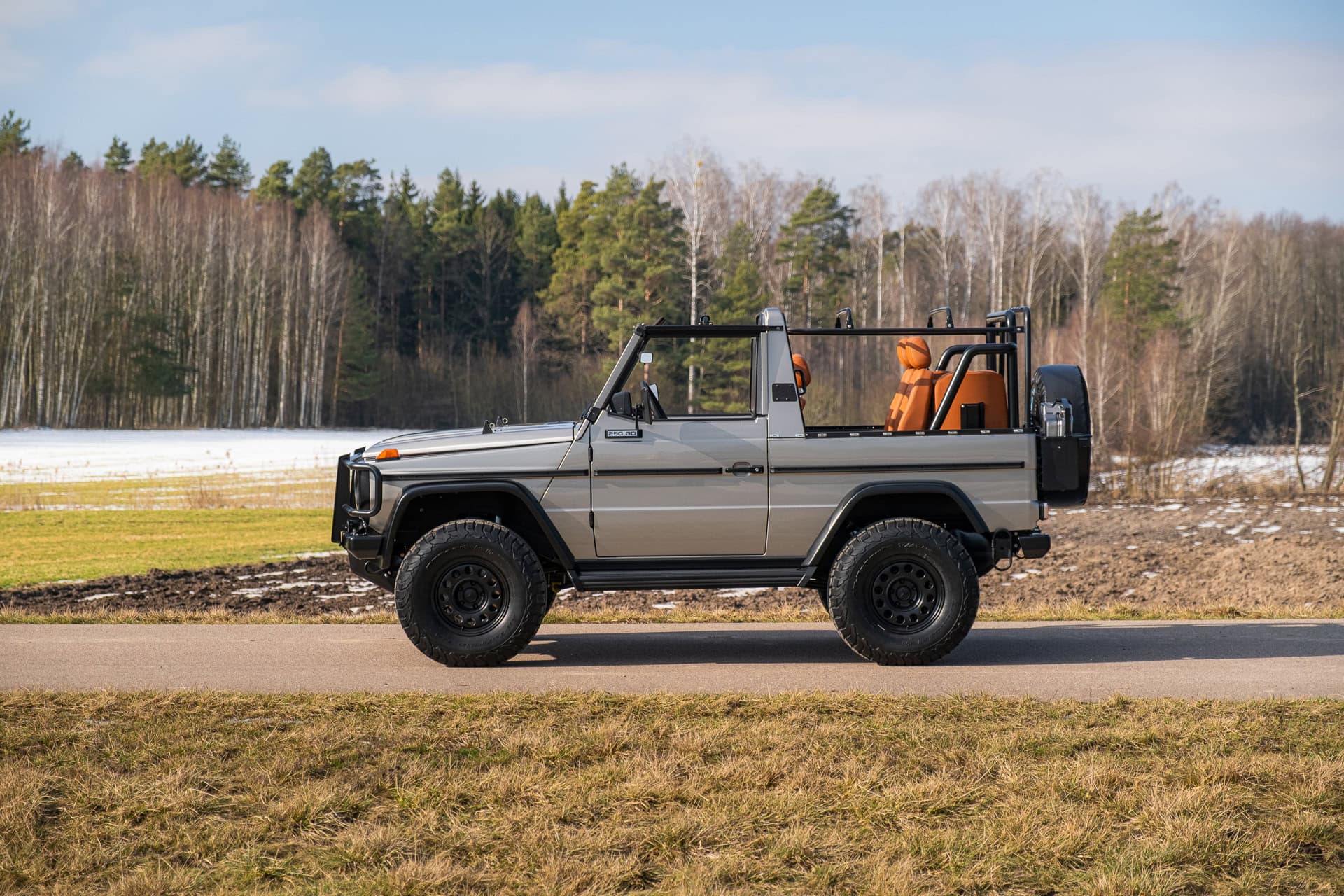
The response we hear most often from clients is that the level of craft is immediately felt in the way the truck drives, that the care invested across 2,500 hours of work translates directly into how the vehicle behaves on the road. There is a quality to a properly restored G-Wagen that is difficult to articulate but unmistakable to experience, and delivering that quality consistently, across every build, is what the process is designed to produce.
"Absolutely thrilled with our new V8 WOLF G-Wagen! I was initially a bit hesitant about how practical it would be for the family, but it has worked out perfectly. We were able to install the car seats for our little kids and they love the driving with open roof. I was also pleasantly surprised by the driving experience. I was worried it might not be the best fit for Miami highways, but it handles them beautifully and is a total joy to drive. The craftsmanship is incredible. Highly recommend!"
That kind of ownership experience is what every build is working toward, a truck that earns its place in daily life, that performs with the confidence of something engineered carefully and finished to a standard that holds up over time. It is the outcome of a process built on focus, accumulated knowledge, and a refusal to treat any aspect of the work as incidental, and it is what we have been committed to producing, one build at a time, since 2017.